10 Ways to Use green Clay
Green clay has been a recovery secret for athletes and active people for centuries. If you're pushing your body hard: whether you're training for a marathon, hitting the gym five days a week, or just dealing with the aches that come with an active lifestyle: green clay might be exactly what you need in your recovery toolkit.
The best part? It's completely natural, proven to work, and ridiculously easy to use. Let's dive into 10 practical ways you can use green clay to speed up recovery, reduce inflammation, and get back to doing what you love faster.
1. Post-Workout Muscle Recovery
Your muscles are screaming after leg day. Sound familiar?
Green clay works like a magnet for metabolic waste and toxins that build up in your muscles during intense exercise. Mix it into a thick paste with water and apply it directly to sore muscle groups: quads, hamstrings, calves, shoulders, wherever you're feeling it.
Leave it on for 15-20 minutes while the clay draws out lactic acid and inflammatory compounds. The natural minerals in green clay also provide electrolytes that penetrate through the skin, supporting faster recovery at the cellular level.

2. Joint Inflammation and Pain Relief
Knees, elbows, shoulders: joints take a beating when you're active. Green clay's anti-inflammatory properties make it perfect for targeting joint pain without the side effects of over-the-counter pain meds.
Create a clay poultice and wrap it around the affected joint. The cooling sensation provides immediate relief, while the clay's mineral composition works to reduce swelling and improve circulation. Athletes dealing with chronic joint issues often use green clay as part of their daily recovery routine.
Certified doctors recommend green clay for sports recovery because it's proven, safe, and actually works.
3. Sprains and Strains
Rolled your ankle? Pulled a muscle? Green clay can speed up the healing process significantly.
Apply a thick layer of clay paste to the injured area as soon as possible after the injury. The clay helps reduce swelling, draws out fluids that cause inflammation, and increases blood flow to promote tissue repair. Reapply every few hours for the first 24-48 hours after injury.
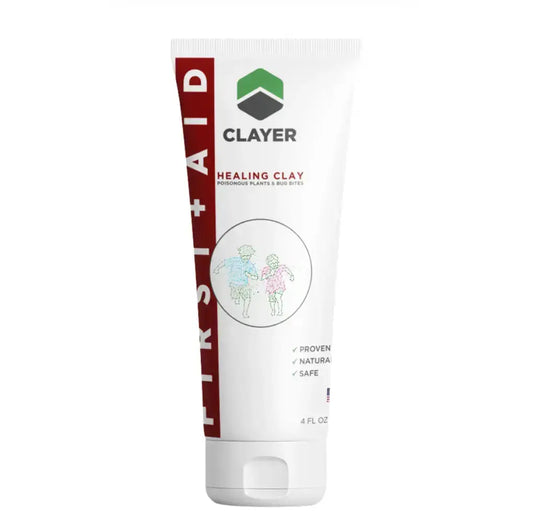
Pro tip: Keep a tube of Clayer's ready-to-use recovery clay in your gym bag or at home for immediate treatment. Time matters when you're dealing with acute injuries.
4. Bruises and Impact Injuries
Contact sports leave marks. Green clay helps bruises heal faster by improving circulation and breaking down the pooled blood under the skin that causes that lovely purple color.
Apply clay directly to bruised areas within the first few hours after impact. The minerals help reduce pain and discoloration while supporting the body's natural healing processes. Many MMA fighters and hockey players swear by green clay for this exact reason.

5. Tendonitis and Overuse Injuries
Tennis elbow, runner's knee, Achilles tendonitis: overuse injuries are frustrating because they take forever to heal. Or at least they used to.
Green clay compresses applied to inflamed tendons can dramatically reduce recovery time. The clay's natural anti-inflammatory compounds work directly at the site of injury, while improved circulation brings fresh nutrients and oxygen to damaged tissue.
Use it consistently: apply clay 1-2 times daily for chronic tendonitis issues. Patience pays off here.
6. Pre-Competition Preparation
Why wait until you're injured? Smart athletes use green clay proactively.
Apply clay to high-stress areas before competition or heavy training sessions. This pre-treatment increases circulation, warms up tissues, and prepares your body for intense physical demands. Some athletes report feeling looser and more prepared after a pre-competition clay treatment.
It's like giving your body a head start on recovery before you even begin.
7. Skin Abrasions and Cuts
Road rash from cycling? Scraped knees from a trail run? Green clay has natural antibacterial properties that make it excellent for treating minor cuts and abrasions.
Clean the wound, then apply a thin layer of clay. It creates a protective barrier while drawing out impurities and promoting faster healing. The clay naturally prevents bacterial growth, reducing infection risk without harsh chemicals or antibiotics.
Just make sure you're using certified non-toxic clay: some clays contain dangerous levels of lead and other contaminants. Clayer products are tested and certified 100% safe.

8. Swelling Reduction
Inflammation is your body's natural response to injury, but too much swelling slows down recovery and increases pain. Green clay is a natural diuretic that helps reduce excess fluid buildup.
For puffy ankles, swollen knees, or any area with excessive inflammation, apply a thick clay mask and let it work its magic. The cooling effect provides immediate relief, while the clay's absorption properties pull out excess fluid over 15-30 minutes.
Reapply as needed throughout the day for stubborn swelling.
9. Plantar Fasciitis and Foot Pain
Runners, dancers, and anyone who spends hours on their feet: this one's for you. Plantar fasciitis can sideline you for months if you don't address it properly.
Make a foot mask with green clay and water. Coat the entire bottom of your foot, focusing on the heel and arch where plantar fasciitis pain concentrates. The clay reduces inflammation in the fascia tissue and provides minerals that support tissue repair.
Do this nightly after training or work, and you'll notice significant improvement within a week or two.
10. Full Body Recovery Wrap
Had an absolutely brutal workout or competition? Go all in with a full body clay wrap.
In the shower or bath, apply green clay paste to all major muscle groups: legs, arms, back, shoulders. Let it sit for 10-15 minutes while you relax. The clay pulls toxins from your entire body while delivering minerals through your skin.
Rinse off, moisturize, and feel the difference. Professional athletes trust this method for full-body recovery after competitions and intense training blocks.
Why Green Clay Works for Sports Recovery
Green clay isn't some trendy wellness fad: it's backed by science. The mineral composition of quality French green clay includes magnesium, calcium, potassium, and other electrolytes that your body needs for optimal recovery.
Research shows that green clay has genuine anti-inflammatory properties and can improve circulation to injured tissues. It's been used for centuries because it actually works.
The key is using high-quality, certified clay. Clayer uses exclusive French green clay that's tested, proven, and recommended by sports doctors. It's rated 100/100 on Yuka, meaning it's completely safe with zero toxic ingredients.
How to Mix and Apply Green Clay
Keep it simple:
- Mix 2-3 tablespoons of clay powder with water until you get a thick, spreadable paste
- Apply a layer about 1/4 inch thick to the affected area
- Leave on for 15-30 minutes (don't let it completely dry and crack)
- Rinse with warm water and moisturize
Or skip the mixing entirely and use Clayer's ready-to-apply recovery formula: same benefits, zero prep time. Perfect for athletes who need fast, convenient recovery solutions.
The Bottom Line
Green clay deserves a permanent spot in your recovery routine. It's natural, proven effective, and works faster than most people expect. Whether you're dealing with acute injuries, chronic pain, or just the normal wear and tear of an active lifestyle, green clay can help you recover faster and get back to performing at your best.
Start with the applications that match your biggest recovery needs. Try it consistently for a week or two. The results speak for themselves: which is why professional athletes, weekend warriors, and everyone in between keep coming back to green clay for recovery support.
Your body works hard for you. Give it the natural, proven recovery support it deserves.