
2026 Winter Olympics Recovery Guide: 7 Natural Techniques Elite Athletes Swear By
The 2026 Winter Olympics in Milan-Cortina are right around the corner, and elite athletes are already deep into their training cycles. But here's what separates champions from everyone else: it's not just how hard they train: it's how effectively they recover.
After spending years working with Olympic-level winter sports athletes, I've discovered that recovery isn't about lying on the couch for days. It's about strategic, science-backed techniques that help your body bounce back faster, stronger, and ready for the next session.
How would you feel if you could recover faster from an injury and get back to doing what you love? That's exactly what these seven natural techniques deliver: no synthetic chemicals, no shortcuts, just proven methods that work.
1. French Green Clay Therapy: The 15-Minute Recovery Secret
Let's start with the technique that's become a game-changer for Olympic athletes: French green clay therapy. This isn't some trendy wellness fad: this is an ancestral remedy that's been scientifically proven to reduce inflammation and accelerate tissue healing.
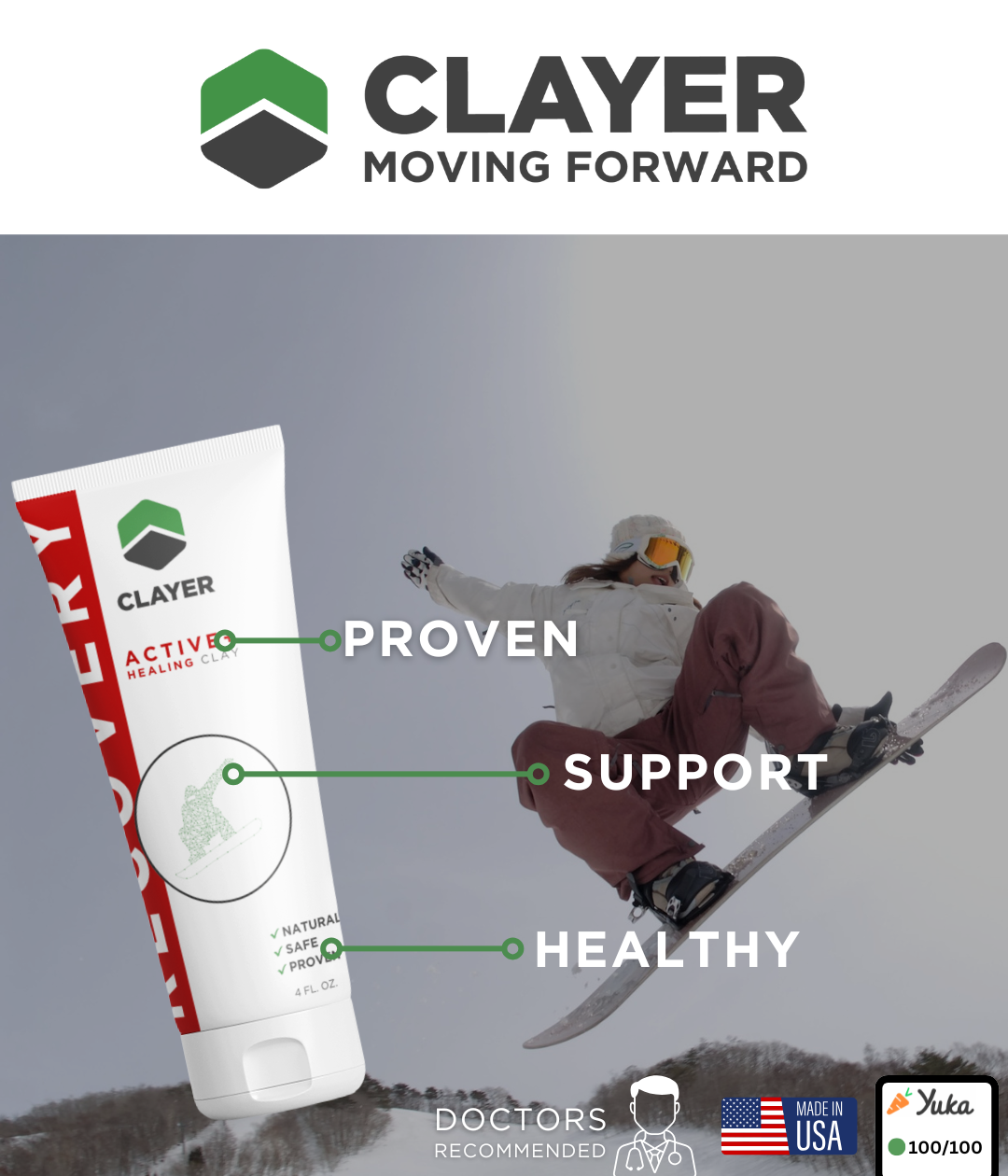
Elite athletes are using CLAYER's Active Recovery clay because it delivers results in just 15 minutes. The secret? French green clay absorbs toxins, provides natural electrolytes, and draws blood flow to damaged tissues faster than traditional ice therapy.
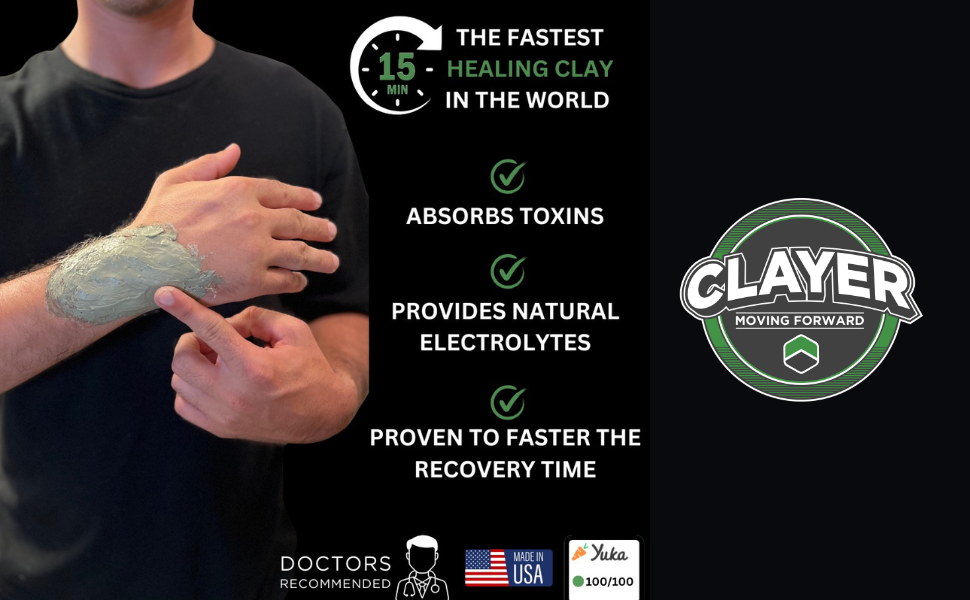
Unlike synthetic recovery products loaded with chemicals, CLAYER is certified 100% natural, non-toxic, and doping-free: crucial for Olympic athletes who face strict testing protocols. It's doctor-recommended and rated 100/100 by Yuka, the independent health app trusted by millions.
The application is simple: apply a thick layer to sore muscles or joints, leave it on for 15 minutes, and rinse. Athletes report feeling immediate relief from muscle soreness, joint inflammation, and even bruising. This is exactly why professional hockey players, snowboarders, and figure skaters keep it in their training bags.
GUARANTEED OR MONEY BACK. You are built to push your limits: make sure your recovery can keep up.
2. Contrast Therapy: Strategic Hot and Cold Exposure
Olympic athletes don't just take ice baths randomly. They strategically alternate between hot and cold exposure to control inflammation and improve circulation. This technique, known as contrast therapy, helps flush metabolic waste between hard training sessions.
The protocol: 3 minutes in cold water (50-60°F), followed by 3 minutes in warm water (95-105°F), repeated 3-4 times. This creates a pumping effect that removes waste products and brings fresh, oxygen-rich blood to fatigued muscles.
Winter Olympic athletes particularly benefit from this because cold-weather training already exposes them to temperature extremes. By controlling the contrast in a recovery setting, they optimize their body's natural healing response.
3. Active Recovery and Dynamic Stretching
Here's something that surprises most people: Olympic athletes rarely take complete rest days during winter training. Instead, they implement dynamic stretching routines and low-impact cross-training to maintain cardiovascular development without adding impact stress.
Pool running, cycling, and elliptical workouts keep blood flowing to damaged tissues while giving joints and connective tissues a break from the pounding of sport-specific training. This active recovery approach prevents the stiffness and muscle tightness that comes from complete rest.
Dynamic stretching: movements that take your joints through their full range of motion: is performed before every winter training session. This isn't your old-school static stretching. We're talking leg swings, arm circles, walking lunges, and controlled twists that prepare your body for explosive winter sports movements.
Shop the Solution: Ready to accelerate your recovery? Get CLAYER's Active Recovery bundle and experience the 15-minute difference. Buy 2, Get 1 Free on all recovery products this month!
4. Sleep Optimization: The Ultimate Performance Enhancer
Elite athletes don't mess around when it comes to sleep. During peak winter training blocks, many increase their sleep duration by 1-2 hours beyond their normal schedule. Why? Because sleep is when your body does the majority of its repair work.
Olympic athletes prioritize strict sleep hygiene:
- Bedroom temperature between 60-67°F
- Complete blackout environment
- Consistent sleep-wake cycles (even on weekends)
- No screens 60 minutes before bed
- Strategic napping (20-30 minutes) when needed
The science is clear: inadequate sleep increases injury risk, decreases reaction time, and impairs decision-making: all critical factors in winter sports where split-second decisions happen at high speeds.
5. Targeted Mobility Work: Winter Sports Specific
Cold weather has a sneaky way of making your body tighten up. Olympic runners and winter athletes perform targeted mobility work focusing on three key areas: ankles, hips, and thoracic spine.
Before every training session:
- Ankle mobility drills (circles, dorsiflexion exercises)
- Hip openers (90/90 stretches, pigeon pose variations)
- Thoracic spine rotations (book openers, quadruped rotations)
Additionally, core stability exercises counteract the natural tendency to alter running and movement mechanics in cold weather. A strong, stable core maintains proper form even when fatigue sets in during long training sessions.
This prehabilitation approach prevents injuries before they happen: far more effective than reactive treatment.
6. Professional Assessment and Treatment
Elite runners and winter sports athletes undergo functional movement screenings every 4-6 weeks. These assessments identify mobility restrictions, muscle imbalances, and movement compensations before they become injuries.
They integrate physiotherapy and active release techniques as maintenance, not just reactive treatment. Regular soft tissue work keeps muscles supple and responsive, crucial when training on winter's uneven surfaces and icy conditions.
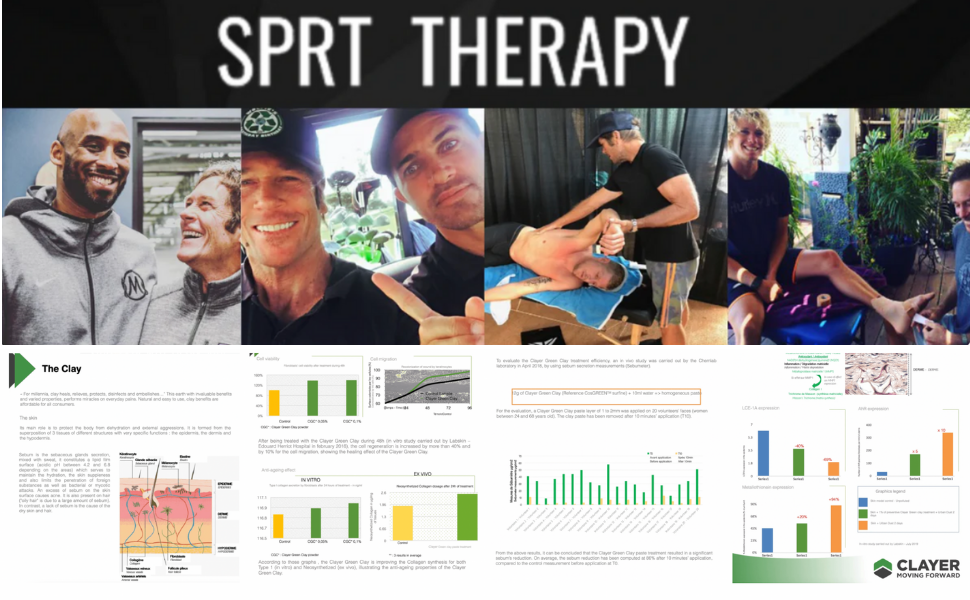
Working with certified professionals who understand the specific demands of winter sports makes all the difference. These experts can identify potential issues and address them before they sideline an athlete during critical training periods.
7. Lower Extremity Strength Training
Winter's uneven surfaces: icy patches, slushy conditions, packed snow: demand exceptional lower body strength and stability. Olympic athletes prioritize single-leg exercises that build resilience against these challenging conditions.
Key exercises include:
- Single-leg deadlifts
- Bulgarian split squats
- Single-leg box step-ups
- Lateral bounds and hops
- Eccentric calf raises
This unilateral work corrects muscle imbalances and builds the ankle, knee, and hip stability needed to handle unpredictable winter terrain. It's not just about getting stronger: it's about building bulletproof joints that can handle whatever conditions the 2026 Winter Olympics throw at athletes.
Your Recovery Revolution Starts Now
The 2026 Winter Olympics will showcase the fastest, strongest, and most resilient winter athletes in the world. But you don't need to be Olympic-bound to benefit from these recovery techniques.
Whether you're training for a local ski race, trying to stay active through winter, or recovering from a sports injury, these seven natural techniques work. Prioritize your health and well-being!
Start with the easiest, most effective technique: CLAYER's French green clay therapy. Certified non-toxic, proven to reduce inflammation, and trusted by professional athletes and sports doctors worldwide.
Get our Free Guide on Safe Clay Use + 10% off your first order. Join thousands of athletes who've discovered the natural recovery secret that delivers results in just 15 minutes.
What about you? Which recovery technique will you implement first? Your body is ready for the challenge: make sure your recovery strategy is too.
Shop Now and experience the CLAYER difference. Remember: Buy 2, Get 1 Free on all recovery products. Your future self will thank you.


