
Green Clay for Sprains: Why it Beats Ice for Recovery
You twisted your ankle. Your knee buckled during that pickup game. Your wrist took the brunt of an awkward fall. What's the first thing everyone tells you to do?
"Put ice on it!"
For decades, we've been told to reach for the freezer when dealing with sprains. Ice packs have become so synonymous with injury recovery that we don't even question whether there's a better way. But here's the truth: while ice might numb the pain temporarily, it's actually working AGAINST your body's natural healing process.
What if there was an ancestral remedy that works WITH your body instead of suppressing it? Enter French green clay: a natural healing method that's been used for centuries and is now gaining recognition among athletes and sports doctors who understand the science of real recovery.
The Problem with the RICE Method
RICE: Rest, Ice, Compression, Elevation: has been the go-to protocol for sprains since the 1970s. But recent research is challenging what we thought we knew about ice therapy.
Here's what actually happens when you ice a sprain:
Ice suppresses inflammation. Sounds good, right? Wrong. Inflammation is your body's natural healing response. It brings nutrient-rich blood, oxygen, and healing compounds to the injured area. When you ice an injury, you're literally telling your body to STOP the healing process.
Ice provides temporary relief but delays actual recovery. Sure, the cold sensation numbs the pain for a few hours. But studies suggest that suppressing inflammation can increase scar tissue formation and extend your overall recovery time. You're trading short-term comfort for long-term healing.
Ice constricts blood vessels. This reduces circulation to the exact area that needs increased blood flow the most. Your sprain needs nutrients, minerals, and oxygen to repair damaged ligaments and tissues: and ice cuts off that supply.

Think about it: when you get a fever, your body heats up to fight infection. When you sprain something, your body creates inflammation to heal damage. Why would we want to suppress either natural response?
How Green Clay Works Differently
French green clay takes the opposite approach: and that's exactly why it works so much better for sprains.
Green clay for sprains doesn't just mask symptoms. It actively participates in the healing process by:
Drawing out internal heat and metabolic waste. When you sprain a joint, damaged tissues release inflammatory compounds, excess fluid, and cellular debris. Green clay acts like a magnet, pulling these toxins and excess heat OUT of the injured area through a process called osmosis. You're literally extracting the bad stuff instead of trapping it inside.
Delivering healing minerals directly where needed. French green clay is loaded with magnesium, calcium, potassium, and silica: minerals essential for tissue repair and cellular regeneration. When applied as a poultice, these minerals are absorbed through your skin directly into the injured ligaments and tissues.
Reducing swelling naturally without suppressing healing. Here's the game-changer: clay reduces the EXCESS swelling that impedes recovery while preserving the beneficial inflammatory response that repairs damage. It's smart healing, not suppressed healing.
Stimulating circulation. Unlike ice which constricts blood vessels, clay encourages healthy blood flow to the area. More circulation means more nutrients, more oxygen, and faster tissue repair.
The Science Behind Clay's Healing Power
French green clay (also called Montmorillonite clay) has been studied for its unique molecular structure. The clay particles carry a negative electrical charge, which attracts positively charged toxins, heavy metals, and inflammatory compounds.
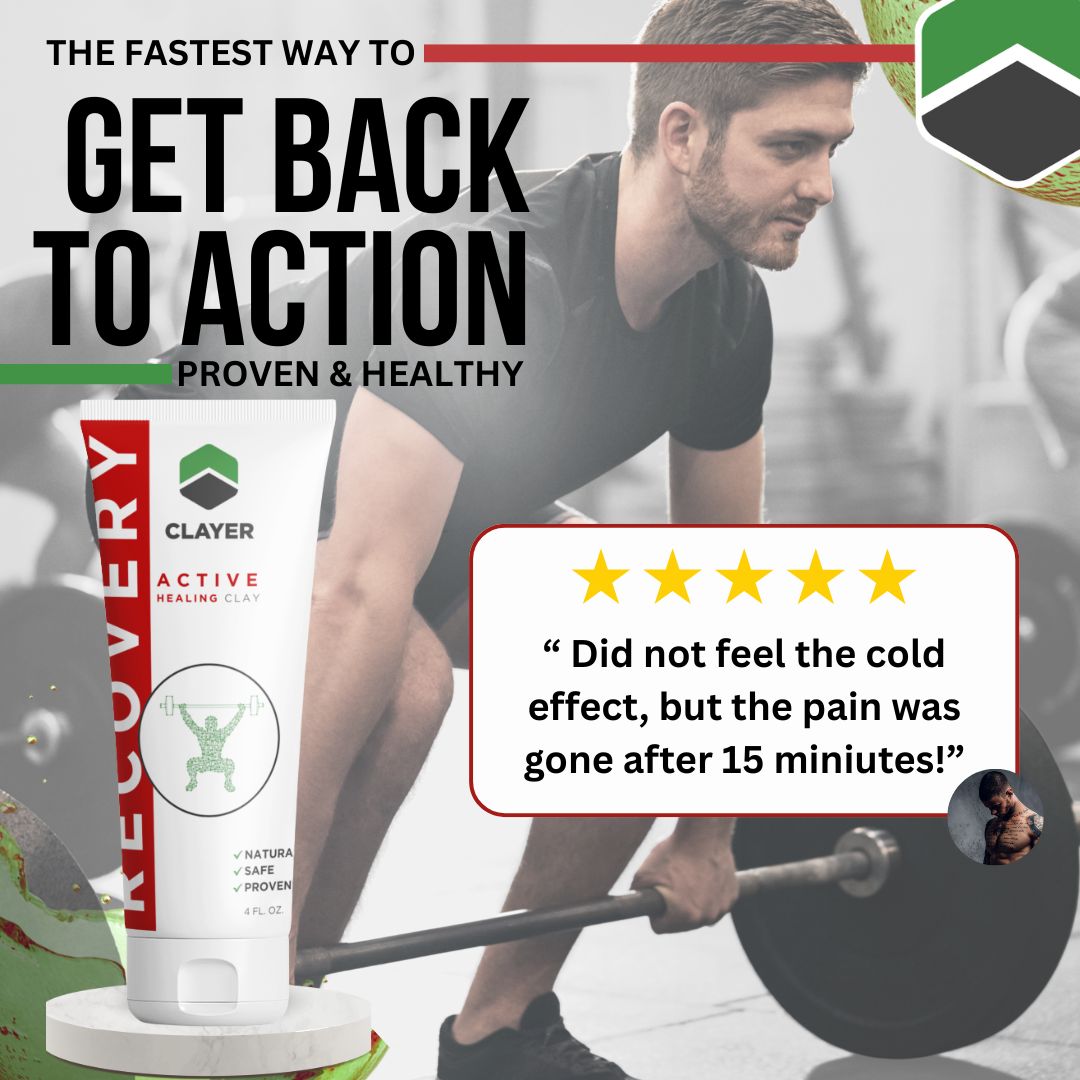
When you apply CLAYER's recovery clay to a sprain, several mechanisms activate simultaneously:
- Detoxification: The clay binds to metabolic waste products and toxins, pulling them out through your pores
- Mineral exchange: Essential minerals transfer from the clay into your damaged tissues
- Temperature regulation: Clay naturally draws out excess internal heat while maintaining optimal healing temperature
- pH balancing: Clay helps restore the affected area to its natural pH, creating an ideal environment for healing
This isn't just ancient wisdom: it's backed by research. The key is using certified, non-toxic clay that's been tested for purity. Some clays can contain concerning levels of lead or other contaminants, which is why certification matters.
How to Use Green Clay for Sprains (The Right Way)
Forget everything you know about applying ice for 20 minutes at a time. Green clay works differently: and the application method matters.
Immediate application (First 24 hours):
- Mix your clay powder with clean water until you get a thick paste (Greek yogurt consistency)
- Apply a generous layer (about 1/4 to 1/2 inch thick) directly to the sprained area
- Cover with a damp cloth or gauze: never plastic, as clay needs to breathe
- Leave on for at least 4 hours, or overnight for maximum benefit
- The clay will dry out and pull heat/toxins as it does
Days 2-7:
- Reapply fresh clay 2-3 times daily
- Each application should stay on for 3-4 hours minimum
- You'll notice the clay feels warm as it draws out internal heat
- Remove gently and rinse with lukewarm water
- Your swelling should reduce dramatically by day 3-4
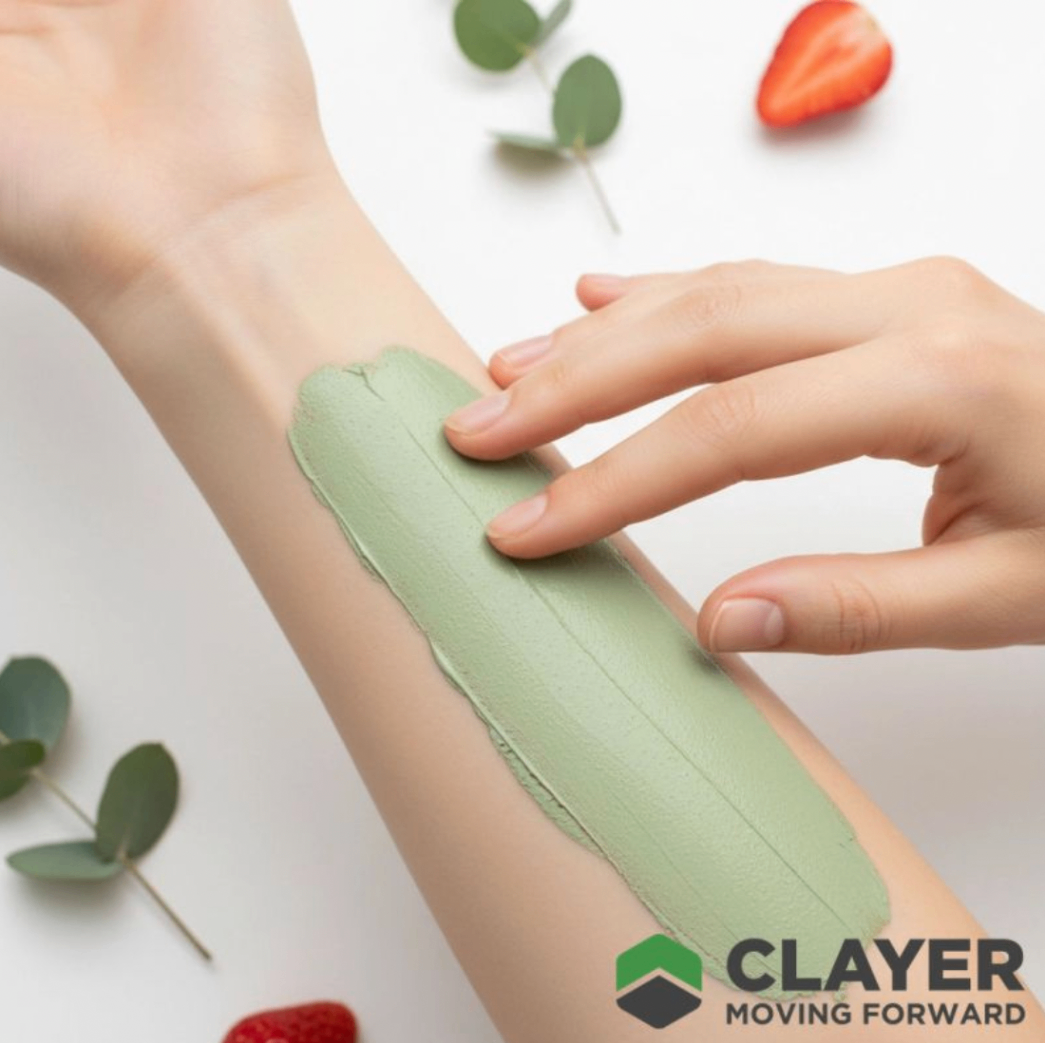
Pro tip: Use CLAYER's pre-mixed recovery clay for convenience. It's already at the perfect consistency, certified non-toxic, and includes additional minerals specifically selected for sports recovery.
Real Recovery: Clay vs. Ice Timeline
Let's compare what typical recovery looks like with each method:
RICE Method Timeline:
- Days 1-3: Ice repeatedly, pain temporarily reduced but swelling persists
- Days 4-7: Transition to heat, swelling slowly decreases
- Weeks 2-4: Gradual improvement, residual stiffness common
- Total recovery: 4-6 weeks for moderate sprain
Green Clay Method Timeline:
- Days 1-3: Clay applications draw out fluid and heat, noticeable swelling reduction
- Days 4-7: Significant improvement in mobility and pain reduction
- Weeks 2-3: Most moderate sprains show complete recovery
- Total recovery: 2-4 weeks for moderate sprain
The difference? Clay works WITH your body's healing timeline instead of fighting against it.

Why Athletes and Doctors Are Making the Switch
Professional athletes who depend on their bodies for their careers can't afford extended downtime. They need REAL recovery, not just pain management.
That's why more sports doctors are recommending French green clay over traditional ice therapy. They're seeing:
- Faster return to activity
- Less scar tissue formation
- Improved range of motion post-recovery
- Reduced risk of chronic joint problems
- Natural healing without chemical interventions
Green clay for sprains isn't about replacing modern medicine: it's about giving your body the best possible environment to heal itself. No pharmaceuticals. No suppressing natural processes. Just pure, mineral-rich clay that's been healing injuries for thousands of years.
Your Body Knows How to Heal: Give It the Right Tools
Here's what it comes down to: your body is incredibly intelligent. When you sprain something, it immediately starts the repair process. The question is whether you're going to support that process or suppress it.
Ice might make you feel better for an hour, but it's extending your recovery by weeks. Green clay might feel less familiar, but it's accelerating your healing by working with your body's natural wisdom.
You deserve to recover faster. You deserve to avoid unnecessary scar tissue and chronic weakness. You deserve a healing method that's been proven over thousands of years and is now backed by modern science.
The next time you twist an ankle or strain a ligament, skip the ice pack. Reach for CLAYER's French green clay instead: and discover what real recovery feels like.
Ready to experience the difference? CLAYER's recovery clay is doctor-recommended, certified 100% natural and non-toxic, and guaranteed to work or your money back. Your sprain doesn't have to sideline you for weeks. Choose clay. Choose faster healing. Choose empowerment.


