
How to Effectively Treat Sprains & Strains in Sports: Expert Tips for Fast Recovery
Every athlete knows that split second when something doesn't feel right. Whether you're pushing through that final sprint, making a sharp cut on the field, or landing awkwardly from a jump: sprains and strains happen. But here's the thing: how you respond in those critical first moments can make or break your recovery timeline.
You don't have to let a minor injury sideline you for weeks. With the right knowledge and immediate action, you can get back to doing what you love faster than you ever thought possible.
Understanding Your Enemy: Sprains vs. Strains
Let's get one thing straight: knowing what you're dealing with is half the battle. A sprain affects your ligaments (the tough bands connecting bones), while a strain hits your muscles or tendons (which connect muscles to bones). Both can knock you out of commission, but they require slightly different approaches.
Sprains typically occur when:
- You twist or roll a joint beyond its normal range
- You land awkwardly from a jump
- You get hit and your joint bends the wrong way
Strains happen when:
- You stretch a muscle too far or too fast
- You contract a muscle while it's being stretched
- You use a muscle repeatedly without proper rest
The good news? Most sports-related sprains and strains respond incredibly well to immediate, proper treatment. You've got this!
The Game-Changing P.R.I.C.E. Protocol
Here's where champions separate themselves from everyone else: they know exactly what to do the moment injury strikes. The P.R.I.C.E. method isn't just some outdated first aid concept. It's your roadmap to faster recovery, backed by sports medicine experts worldwide.
Protection: Your First Line of Defense
Stop what you're doing immediately. This isn't the time to "walk it off" or prove how tough you are. Protect that injured area from further damage by immobilizing it. Depending on your injury, this might mean:
- Using a sling for shoulder or arm injuries
- Applying a splint or brace for joint injuries
- Getting off your feet for ankle or leg strains
Remember: 15 minutes of protection now can save you weeks of recovery later.
Rest: Strategic Recovery, Not Complete Shutdown
Rest doesn't mean becoming a couch potato. Smart athletes know the difference between harmful activity and therapeutic movement. Avoid any activity that causes pain, but once you can move without significant discomfort, gentle movements actually help prevent stiffness and promote healing.
Use crutches if you need to keep weight off an injured leg or ankle. Your body is telling you what it needs: listen to it!
Ice: Nature's Anti-Inflammatory Powerhouse
Here's where most people get it wrong. Apply ice for 15-20 minutes every 2-3 hours during those crucial first 48 hours. Not longer, not shorter. This isn't about numbing the pain: you're strategically managing inflammation to accelerate your body's natural healing process.
Pro tip: Never apply ice directly to your skin. Use a towel or cloth barrier to prevent ice burns while still getting those inflammation-fighting benefits.
Compression: Support That Works
Wrap that injured area with an elastic bandage, but make it snug, not suffocating. You want to reduce swelling and provide support without cutting off circulation. If your fingers or toes start turning blue or going numb, you've wrapped too tight!
Elevation: Let Gravity Do the Work
Whenever possible, elevate the injured area above your heart level. This simple positioning helps your body naturally reduce swelling by improving blood flow and drainage. It's basic physics working in your favor.

Natural Pain Management That Actually Works
You don't have to rely solely on pills to manage discomfort. Smart athletes combine multiple approaches for maximum effectiveness:
Over-the-counter options:
- NSAIDs like ibuprofen for inflammation
- Acetaminophen for pain relief
- Topical anti-inflammatory creams for localized treatment
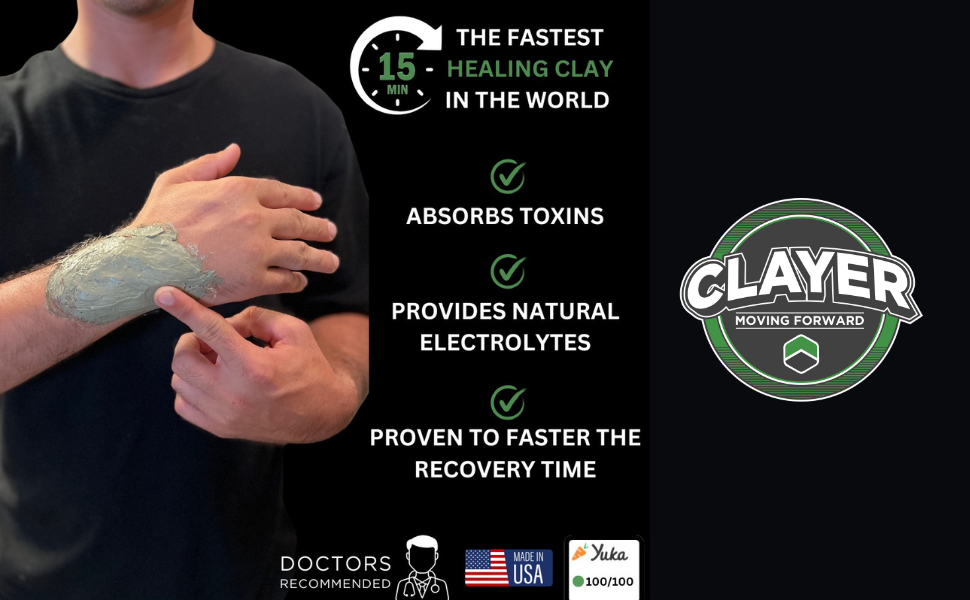
But here's what many athletes don't know: natural clay therapy has been used by elite performers for generations to accelerate recovery and reduce inflammation naturally. French green clay, in particular, contains natural minerals that help absorb toxins and provide therapeutic benefits.
Athletes who prioritize natural recovery methods often find they can return to peak performance faster while supporting their body's natural healing processes. CLAYER's doctor-recommended recovery solutions have been trusted by professionals who understand that what you put on your body matters just as much as what you put in it.
Advanced Recovery Strategies for Serious Athletes
Ready to take your recovery to the next level? Here's what separates weekend warriors from true competitors:
Ultrasound Therapy
Professional-grade ultrasound treatments can accelerate tissue healing at the cellular level. Many sports medicine clinics offer this as part of comprehensive recovery programs.
Customized Exercise Programs
This is where the magic happens. Working with a qualified sports therapist to develop injury-specific exercises ensures you're rebuilding strength correctly while preventing compensation patterns that lead to future injuries.
Professional Physical Therapy
For Grade II and Grade III injuries, professional rehabilitation isn't optional: it's essential for complete recovery. Don't let pride keep you from getting the help you need to return stronger than before.

Red Flags: When to Seek Immediate Medical Attention
Your body sends clear signals when something serious is happening. Don't ignore these warning signs:
- Visible deformity of the injured area
- Severe pain that prevents any use of the affected limb
- Numbness or tingling sensations
- Symptoms that worsen despite proper treatment
- Inability to bear weight or use the injured area after 48 hours
Trust your instincts. If something feels seriously wrong, it probably is. Getting professional evaluation early can prevent minor injuries from becoming major setbacks.
The Hidden Dangers of Poor Treatment
Here's what happens when athletes try to tough it out without proper treatment: and why shortcuts always cost more in the long run:
Chronic pain develops when strained muscles don't heal correctly, affecting your performance for months or even years. Muscle weakness from inadequate healing reduces your athletic capabilities permanently. Scar tissue formation restricts movement and creates vulnerability to re-injury.
Most devastating of all: increased risk of re-injury. An incompletely healed strain or sprain is a ticking time bomb. You're essentially guaranteeing you'll deal with this problem again, probably worse than before.
Don't let temporary discomfort become permanent limitation. Proper treatment now prevents these complications entirely.
Prevention: Your Best Defense Strategy
Champions don't just treat injuries: they prevent them. Here's how to bulletproof your body against future sprains and strains:
- Proper warm-up protocols: Never skip dynamic stretching before activity
- Strength training: Build balanced muscle groups to support your joints
- Flexibility work: Maintain range of motion through regular stretching
- Recovery prioritization: Get adequate sleep and nutrition
- Equipment maintenance: Use proper gear and replace worn items
Remember: every minute spent on prevention saves hours of recovery time.
Your Path Forward Starts Now
Dealing with sprains and strains isn't about accepting limitation: it's about learning to recover smarter and come back stronger. The athletes who thrive long-term aren't necessarily the ones who never get injured. They're the ones who know how to handle setbacks professionally and turn them into opportunities for improvement.
You have everything you need to recover effectively. The knowledge, the tools, the determination: it's all there. What matters now is taking action in those critical first moments and following through with consistent, intelligent care.
Your sport needs you at your best. Your team depends on your contribution. Most importantly, you deserve to pursue your passion without being held back by preventable complications.
The choice is yours: accept extended downtime from poor injury management, or take control with proven recovery strategies that get you back to peak performance faster than ever before.
What are you waiting for?


