
Is Bentonite Clay Good for Teeth?
Is bentonite clay good for teeth? This question has sparked considerable debate in the natural health community. With growing interest in chemical-free oral care alternatives, many people are turning to ancient remedies like bentonite clay for their dental hygiene routine.
The truth is, while bentonite clay shows promise for oral health, the scientific evidence remains limited. Let's dive deep into what we know about using this natural mineral for teeth and gums, separating fact from fiction.
What Is Bentonite Clay?
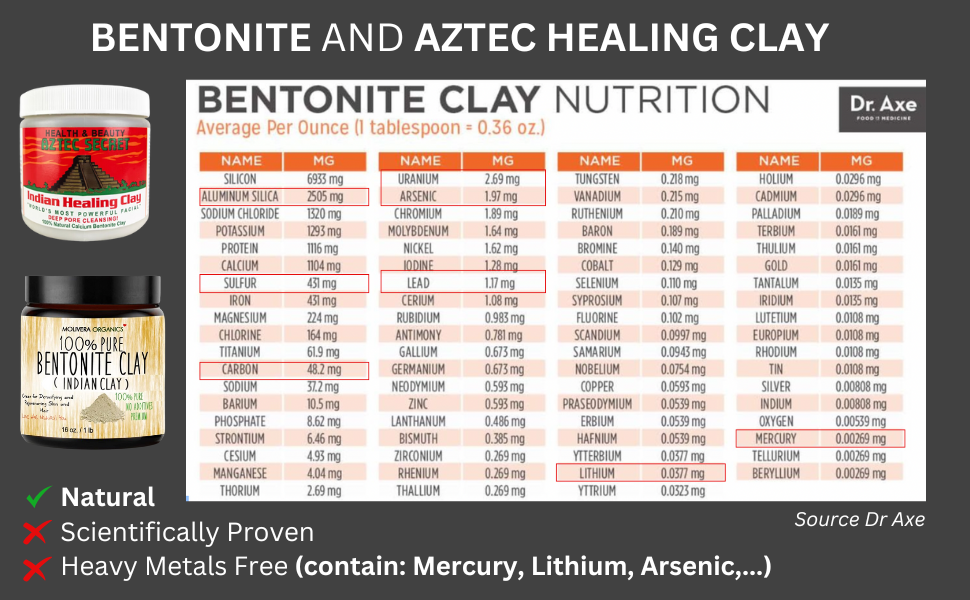
Bentonite clay is a natural volcanic ash that's been aged and weathered over millions of years. This powerful clay has a unique ability to absorb toxins and impurities due to its negative electrical charge. When mixed with water, bentonite clay becomes a paste-like substance that can bind to positively charged particles, including bacteria and heavy metals.
According to Healthline, bentonite clay has been used for centuries in traditional medicine practices around the world. The clay is rich in minerals like calcium, magnesium, and silica – all essential components for healthy teeth and bones.
Claimed Benefits for Dental Health
Proponents of bentonite clay toothpaste and mouth rinses claim several impressive benefits:
Detoxification Properties
The most significant claim is that bentonite clay can detoxify your mouth by binding to harmful bacteria, toxins, and even heavy metals. This negative charge attraction supposedly pulls these unwanted substances away from your teeth and gums.
pH Balance Restoration
Many advocates suggest that bentonite clay helps restore optimal pH levels in your mouth. An alkaline environment can reduce the acidity that leads to enamel erosion and tooth decay.
Natural Remineralization
The minerals naturally present in bentonite clay – including calcium, magnesium, and silica – are said to support the remineralization process of tooth enamel.
Anti-inflammatory Effects
Some sources claim bentonite clay can reduce gum inflammation and support overall gum health through its natural anti-inflammatory properties.
Gentle Whitening
Unlike harsh chemical whiteners, bentonite clay is touted as a gentle way to remove surface stains and brighten teeth naturally.
What Does the Science Say?
Here's where things get interesting – and concerning. According to WebMD, while some people claim that brushing with clay can "purify, detoxify, and alkalize" your mouth, there are no scientific studies to back up these claims.
The research that does exist on bentonite clay has primarily been conducted on animals, not humans. While some animal studies suggest bentonite clay may reduce certain toxins, we cannot directly apply these findings to human oral health.
The Green Clay notes that most of the evidence supporting bentonite clay for dental use is anecdotal rather than scientific. This doesn't mean the clay is ineffective, but it does mean we need more rigorous research to make definitive claims.

Safety Concerns You Should Know
Heavy Metal Content
One of the most significant concerns about using bentonite clay for oral care is its potential heavy metal content. Some bentonite clay products have been found to contain elevated levels of lead, mercury, and arsenic. This is particularly concerning since you're putting the clay directly in your mouth.
Abrasiveness Levels
While bentonite clay is generally considered less abrasive than conventional toothpaste, regular use could still potentially wear down tooth enamel over time, especially if used improperly.
Lack of Fluoride
Unlike conventional toothpaste, bentonite clay doesn't contain fluoride, which has proven benefits for preventing tooth decay. This could be a concern for those at higher risk of cavities.
How to Use Bentonite Clay Safely for Teeth
If you decide to try bentonite clay for oral care, follow these guidelines:
Choose Quality Products
Select bentonite clay that's been tested for heavy metals and is specifically labeled for oral use. Companies like French Healing Clay provide detailed information about their clay's mineral content and purity testing.
Start Slowly
Begin by using bentonite clay once or twice a week rather than daily. Monitor how your teeth and gums respond before increasing frequency.
Proper Mixing
Always mix bentonite clay with water (never metal utensils) to create a paste. The consistency should be smooth, not gritty.
Gentle Application
Brush gently with soft, circular motions. Avoid aggressive brushing that could damage your enamel.
Don't Replace Regular Dental Care
Bentonite clay should complement, not replace, your regular oral hygiene routine and professional dental care.
CLAYER's Approach to Natural Healing
At CLAYER, we understand the appeal of natural alternatives for health and wellness. Our healing clay products are rigorously tested and doctor-recommended for various applications.
While we focus primarily on sports recovery and skin repair, we recognize that many of our customers are interested in natural solutions for all aspects of their health routine. Our French healing clay undergoes extensive purity testing to ensure it's free from harmful heavy metals.
Professional Recommendations
Most dental professionals remain skeptical about bentonite clay for oral care due to the lack of clinical evidence. The American Dental Association has not endorsed bentonite clay as a safe or effective oral care ingredient.
However, some holistic dentists acknowledge that certain patients may benefit from natural alternatives, especially those with sensitivities to conventional toothpaste ingredients.
The Bottom Line: Is Bentonite Clay Good for Teeth?
The honest answer is: we don't know for certain. While bentonite clay has theoretical benefits for oral health and centuries of traditional use, scientific evidence supporting its dental applications remains limited.
Here's what we do know:
- Bentonite clay is generally less abrasive than conventional toothpaste
- It contains minerals that are beneficial for teeth and bones
- Quality matters – heavy metal contamination is a real concern
- Individual results vary widely
- More research is needed to establish safety and efficacy
Our recommendation? If you're interested in trying bentonite clay for your teeth:
- Consult with your dentist first
- Choose high-quality, tested products
- Use it as a supplement to, not replacement for, proven oral care methods
- Start slowly and monitor your oral health closely
- Continue regular dental checkups
Your oral health is too important to leave to unproven remedies alone. While natural alternatives like bentonite clay may have a place in your routine, they should work alongside evidence-based dental care, not replace it.
For more information about natural healing solutions and doctor-recommended clay products, explore our range of tested and proven formulations designed to support your active lifestyle and recovery needs.
Remember: You deserve products that are both natural AND scientifically sound. At CLAYER, that's exactly what we deliver.


