
Is Green Clay Bad? Everything Athletes Should Know Before Using It
Let's cut straight to the chase: Is green clay bad for athletes? The short answer is no, when you use certified, non-toxic green clay properly, it's not bad at all. In fact, research shows it can be a powerful ally in your recovery arsenal.
But here's the thing: not all green clay is created equal, and that's where athletes need to be smart. How would you feel if you could reduce muscle pain by nearly 60% using a natural remedy that's been trusted for centuries? That's exactly what recent studies are showing, but only when you're using the right product.
What Exactly Is Green Clay?
Green clay, also known as French green clay or illite clay, is a mineral-rich volcanic sediment that's been harvested from ancient seabeds in France for thousands of years. The distinctive green color comes from decomposed plant matter and iron oxides.
Here's what makes it special for athletes:
- Silicon – supports connective tissue repair and collagen production
- Magnesium – aids muscle recovery and reduces cramping
- Iron – enhances oxygen delivery to tired muscles
- Zinc – boosts immune function and tissue healing
- Calcium – supports bone health and muscle contraction
This isn't some trendy wellness fad. Green clay has been used in ancestral remedies for inflammation, pain relief, and wound healing since ancient civilizations. The difference now? We have the science to back up what our ancestors already knew.

The Research: What Science Says About Green Clay for Athletes
A groundbreaking study on padel tennis players delivered results that turned heads in the sports recovery community. Over eight weeks, athletes who applied green clay during training experienced a 58.7% reduction in chronic muscle pain compared to the control group.
Even more impressive? By week eight, the green clay group showed a 64% reduction in pain intensity, with particularly strong results in high-stress areas like the biceps and lower back.
How does it work?
Green clay's unique mineral composition stimulates microcirculation, the flow of blood through your smallest blood vessels. This enhanced circulation delivers more oxygen and nutrients to damaged muscle tissue while removing metabolic waste products that cause soreness and inflammation.
Think about that next time you're icing down after a brutal training session. Ice might numb the pain temporarily, but it actually restricts blood flow. Green clay does the opposite, it enhances the healing process your body is already trying to complete.
But Wait, Isn't All Green Clay the Same?
Absolutely not. And this is where things get serious.
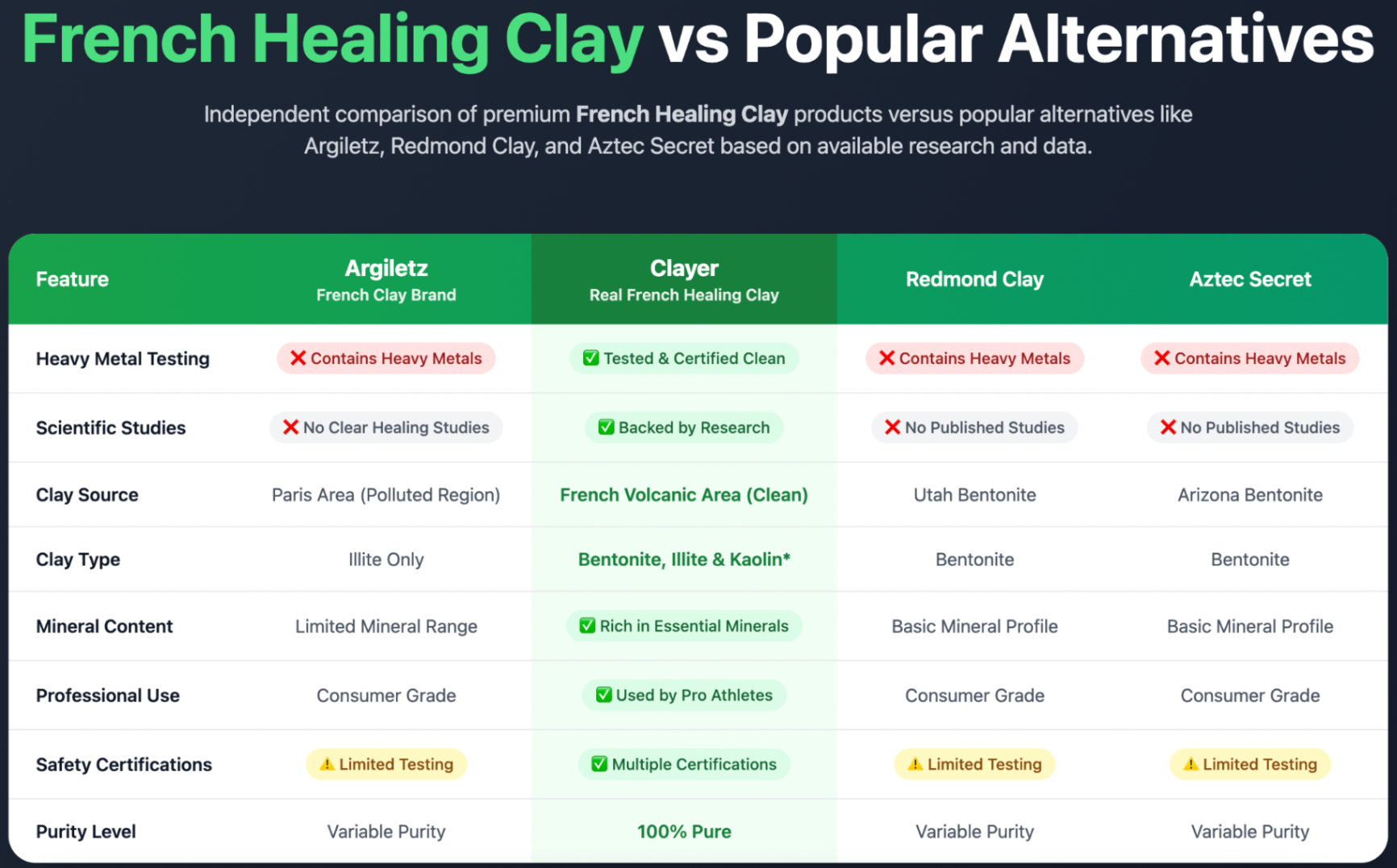
Research published in the National Institutes of Health reveals a concerning truth: many commercially available clays contain dangerous levels of heavy metals, including lead, arsenic, and mercury. These contaminants can accumulate in your body over time, affecting everything from brain function to athletic performance.
A study examining various clay products found that contamination levels varied wildly depending on the source location, processing methods, and quality control standards. Some products marketed as "natural" and "pure" failed basic safety testing.
This is why certification matters.
You wouldn't put mystery substances in your pre-workout shake, so why would you apply untested clay to your skin? Your skin absorbs compounds directly into your bloodstream, athletes need products that are tested, certified, and guaranteed free from contaminants.
When Green Clay Goes Wrong: Real Concerns Athletes Should Know
Let's be honest about the potential issues:
1. Contaminated Sources
Clay harvested from polluted areas or processed in facilities with poor quality control can contain toxins. These aren't just hypothetical risks, they're documented problems in the clay industry.
2. Incorrect Application
Leaving clay on too long can over-dry skin. Not hydrating properly before use can lead to dehydration. Using clay on open wounds without proper guidance can introduce infection risk.
3. Using It as a Replacement Instead of a Complement
Green clay should enhance your recovery protocol, not replace medical treatment. Got a serious injury? See a sports doctor and physiotherapist first. Green clay can accelerate your prescribed recovery, but it's not a miracle cure that eliminates the need for professional care.
4. Allergic Reactions
While rare with pure green clay, some people may react to specific mineral compositions. Always patch test first, especially if you have sensitive skin or known mineral sensitivities.
How Athletes Should Actually Use Green Clay
Ready to add green clay to your recovery toolkit? Here's the smart approach:
For Muscle Recovery:
- Apply a thick layer (about ¼ inch) to sore or inflamed areas
- Leave on for 15-20 minutes
- Remove before it's completely dry to avoid over-drying
- Use 2-3 times per week for chronic issues, or as needed after intense training
For Sprains and Bruises:
- Apply within 24-48 hours of injury (after any acute swelling has been assessed by a professional)
- Combine with your prescribed RICE protocol
- Reapply every 2-3 hours during the first day if cleared by your healthcare provider
For General Inflammation:
- Use as a full-body treatment post-training
- Focus on joints, tendons, and chronically tight areas
- Enhance effects by pairing with organic silica supplements for connective tissue support
Pro tip: Stay hydrated before and after clay application. The clay's detoxifying action works better when your body has adequate fluids to flush out released toxins.
Why Clayer's Green Clay Is Different
Here's where we need to talk about quality. Not all green clay products deserve a spot in your gym bag.
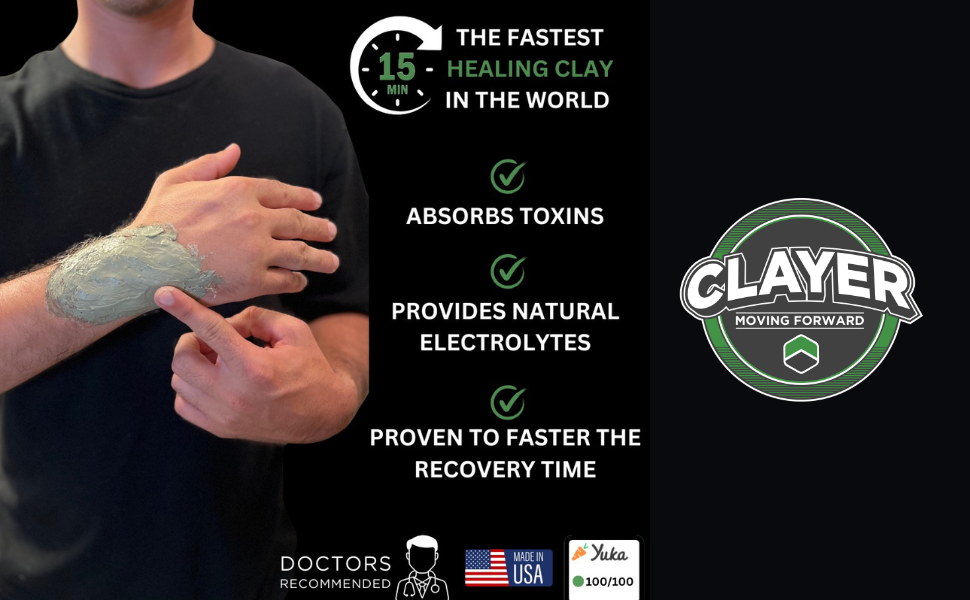
CLAYER's French green clay is:
✓ Tested for heavy metals – guaranteed safe and pure
✓ Sourced from a pristine volcanic region in France – away from industrial contamination
✓ Doctor-recommended for athlete recovery
✓ Used by pro athletes across multiple sports
✓ Rated 100/100 on Yuka – the strictest purity rating available
✓ Made in the USA with rigorous quality control
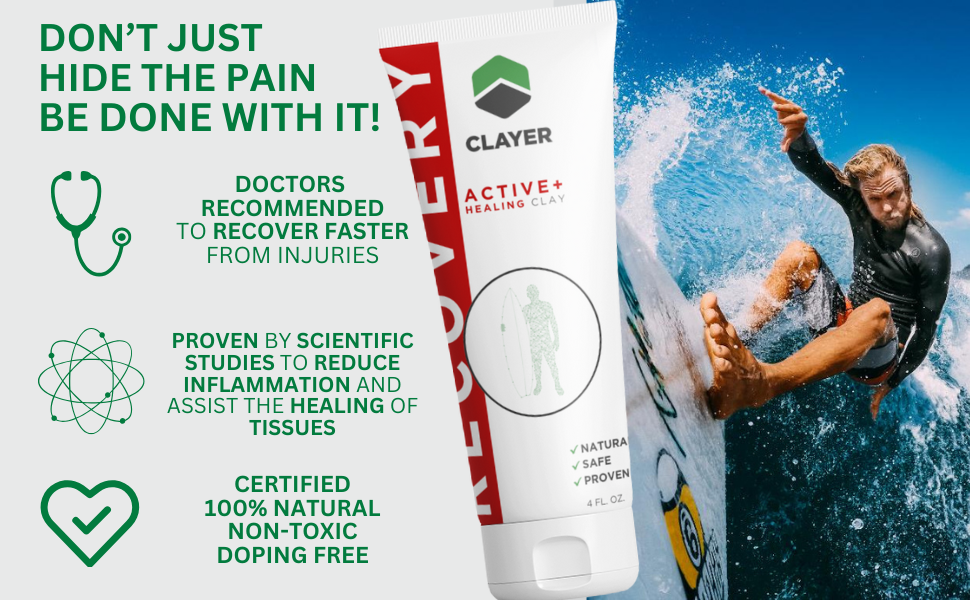
✓ Certified non-toxic and doping-free – safe for competitive athletes
The difference isn't just marketing, it's measurable. While other brands might contain bentonite, illite, or kaolin clay with variable purity and limited safety testing, Clayer delivers comprehensive mineral support without the contaminants.
Professional athletes trust Clayer because they can't afford to gamble with contaminated products. Their careers depend on clean, effective recovery tools.
What about you? Your performance matters too.
The Bottom Line for Athletes
Is green clay bad? No, when it's certified, tested, and used properly, green clay is an incredibly effective natural recovery tool backed by scientific research.
Is cheap, untested green clay bad? Potentially, yes. The risk of heavy metal contamination and impurities makes it a gamble not worth taking.
Think about your recovery like you think about your nutrition. You wouldn't fuel your body with mystery ingredients or sketchy supplements. The same principle applies to topical recovery products. Your skin is your largest organ, and what you put on it matters.
Green clay should complement: not replace: your existing recovery protocol. Use it alongside proper medical care, adequate sleep, good nutrition, and smart training progression. When you do it right, you're tapping into centuries of ancestral wisdom now validated by modern science.
Ready to experience the difference?
Prioritize your health and well-being with clay that's actually tested and proven safe. Explore Clayer's athlete-approved recovery products and see why pro athletes across multiple sports choose certified, non-toxic green clay for faster recovery.
You are built to push limits. Make sure your recovery tools are built to support you.


