
Is Your Body Wash Toxic? 5 Ingredients to Stop Using Today (2026)
You step into the shower every single day, lather up with your favorite body wash, and rinse away the day's stress. It's a ritual. A moment of self-care. But what if I told you that the very product you're using to "cleanse" your body might be loading your skin with toxic chemicals?
Yeah, I know. Not the news you wanted to hear while you're trying to feel good about your personal care routine.
The truth is, most mass-market body washes are packed with ingredients that can disrupt your hormones, irritate your skin, and even increase your exposure to carcinogens. And here's the kicker, these ingredients are completely legal and hiding in plain sight on those ingredient labels you probably never read.
So let's talk about the five worst offenders lurking in your body wash and what you can do to protect yourself and your family.
1. Sulfates: The Foam That Strips Your Skin Bare
You know that rich, luxurious lather you get from most body washes? That's sulfates at work, specifically Sodium Lauryl Sulfate (SLS) and Sodium Laureth Sulfate (SLES).
Sure, they make your body wash foam up nicely, but here's what they're really doing: stripping your skin of its natural protective oils. This leaves your skin vulnerable, dry, and irritated. If you've ever stepped out of the shower feeling tight and uncomfortable, sulfates are likely the culprit.
But it gets worse. SLES can be contaminated with 1,4-dioxane, a hormone disruptor that's been linked to breast cancer. Even more alarming? Sulfates can actually help other toxic chemicals penetrate deeper into your skin and enter your bloodstream.
Your skin is your largest organ, why would you want to compromise its natural barrier every single day?

2. Parabens: The Estrogen Imposters
Methylparaben, propylparaben, butylparaben, these synthetic preservatives are everywhere in the beauty and personal care industry. They're cheap, they extend shelf life, and manufacturers love them.
Here's the problem: parabens mimic estrogen in your body. They're what scientists call endocrine disruptors, meaning they mess with your hormones. Research has even detected parabens in breast tissue, raising serious concerns about potential links to breast cancer and reproductive issues.
Think about it. You're absorbing these estrogen-mimicking chemicals through your skin every time you shower. Day after day. Year after year. Your body wasn't designed to handle that kind of chemical load.
3. Triclosan: The Antibacterial Agent Creating Superbugs
Triclosan sounds like something that should be good for you, right? After all, it's an antibacterial agent. It's killing germs!
Here's the reality: Triclosan is under serious scrutiny for endocrine disruption and contributing to antibiotic resistance. Yes, you read that right. This "antibacterial" ingredient is actually helping to create bacteria that are resistant to antibiotics, the very medicines we rely on when we're actually sick.
And it gets even more concerning. When triclosan combines with the chlorine in your tap water, it can form chloroform, a probable carcinogen. Studies have also linked triclosan exposure to the development of allergies in children.
The FDA has already banned triclosan from hand soaps, but it's still hiding in body washes, toothpastes, and other personal care products.
4. Propylene Glycol: Yes, That's Antifreeze
If you've ever seen "propylene glycol" on an ingredient list and thought, "Wait, isn't that antifreeze?", you're absolutely right.
The same chemical used to de-ice airplanes is also used in body washes as a humectant (it helps retain moisture). The industry will tell you it's "food-grade" and "generally recognized as safe," but here's what they're not advertising on the front of the bottle:
Propylene glycol may cause immunotoxicity, respiratory toxicity, and skin irritation. It can also enhance the penetration of other chemicals through your skin, making any toxic ingredients in your body wash even more problematic.
Your skin deserves better than antifreeze.
5. Formaldehyde-Releasing Preservatives: The Slow-Release Carcinogens
Look for ingredients like DMDM Hydantoin, Quaternium-15, Diazolidinyl urea, and Imidazolidinyl urea on your body wash label. These are formaldehyde-releasing preservatives.
Here's how they work: over time, especially when exposed to heat (like in a hot shower), these ingredients break down and release formaldehyde, a known carcinogen. Formaldehyde exposure can cause skin, eye, and lung irritation, and long-term exposure has been linked to much more serious health concerns.
So every time you're standing in that steamy shower, you could be exposing yourself to a chemical that the Environmental Protection Agency classifies as a probable human carcinogen.
How to Identify Safe Body Wash
Alright, so now you're probably standing in your bathroom, staring at your body wash bottle with a newfound sense of betrayal. I get it. But here's the empowering part: you have the power to make better choices.
Here's what to look for when shopping for safe body wash:
- Sulfate-free (look for alternatives like coconut-derived cleansers)
- Paraben-free
- Free of synthetic fragrances (these often hide dozens of undisclosed chemicals)
- No triclosan
- Natural preservatives like Potassium Sorbate or Rosemary Extract
- Formaldehyde-free
And here's an even better option: look for products with a 100/100 rating on the Yuka App: an independent scanner that rates products based on ingredient safety.
The Clayer Difference: Clean, Safe, Effective
At CLAYER, we believe personal care shouldn't come with a side of toxic chemicals. That's why we've created body wash products that are 100% natural, non-toxic, and certified free from heavy metals.
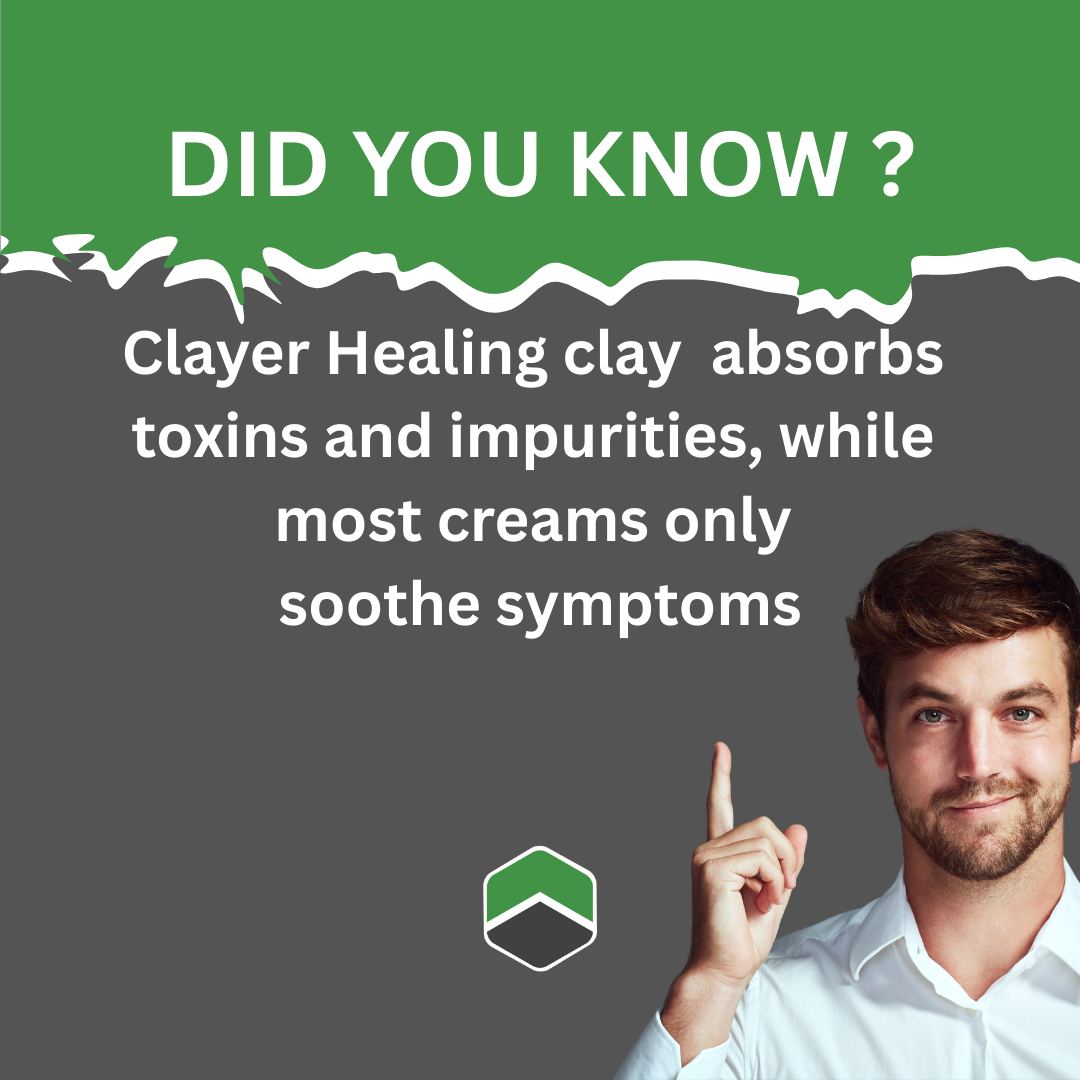
Our formulas are built around healing clay: the same ancient ingredient that's been used for thousands of years to detoxify and purify. Unlike conventional body washes that strip your skin and load it with chemicals, CLAYER body wash:
✓ Gently cleanses without sulfates
✓ Naturally detoxifies your skin
✓ Balances your skin's pH without harsh chemicals
✓ Contains zero parabens, triclosan, or formaldehyde-releasers
✓ Is doctor-recommended and rated 100/100 on Yuka
And here's something most people don't know: not all clays are created equal. Some healing clays on the market actually contain concerning levels of lead and heavy metals. That's why CLAYER only uses certified non-toxic clay that's been rigorously tested for purity. We're not playing games with your health.
You can learn more about our ingredient studies and certifications here.
Your Skin Absorbs Everything
Here's a sobering fact: your skin absorbs up to 60% of what you put on it. Think about that for a second. Every ingredient in your body wash has the potential to enter your bloodstream.
This isn't about fear: it's about empowerment. Once you know better, you can do better. You can make choices that support your health instead of compromising it.
Your morning shower should be a moment of renewal, not a daily dose of toxic exposure. You deserve products that actually honor your body, not ones that prioritize profit over your wellbeing.
Make the Switch Today
Look, I'm not going to tell you that switching your body wash will solve all your health problems. But I will tell you this: every single swap you make toward cleaner, safer products matters.
It's not about perfection. It's about progress. It's about refusing to accept that toxic ingredients are just "the way things are" in the beauty industry.
Check your body wash label right now. If you see any of the five ingredients we talked about, it's time for an upgrade. Your skin: and your overall health: will thank you.
Ready to make the switch? Explore CLAYER's safe body wash collection and discover what clean personal care actually feels like. Guaranteed or money back. Because you deserve to feel confident about every product you put on your body.
What about you? Are you ready to ditch the toxic body wash and embrace truly natural personal care?


