
Knee Pain in Athletes: A Pro Recovery Guide
How Do Pro Athletes Manage Knee Pain?
Professional athletes treat knee pain with a structured, multi-phase approach that combines immediate injury management, targeted rehabilitation, and professional-grade recovery tools. The fastest recoveries happen when you attack the problem from multiple angles: reducing inflammation fast, rebuilding strength systematically, and using PROVEN methods that actually work.
Here's the truth: elite athletes don't mess around with guesswork. They use science-backed protocols and professional-grade recovery tools like Clayer's Active Healing Clay to accelerate healing while keeping their bodies toxin-free and competition-ready.
The Critical First 48 Hours
The moment you feel that sharp twinge or your knee swells up, the clock starts ticking. What you do in the first 24-48 hours sets the entire trajectory for your recovery.
RICE Protocol remains your immediate game plan:
- Rest: Get off that knee. Use crutches if needed: no hero walks.
- Ice: Apply cold therapy for 15-20 minutes every 2-3 hours.
- Compression: Keep swelling controlled with proper wrapping.
- Elevation: Get that knee above your heart level whenever possible.
But here's where pros do it differently. They don't just ice and hope. Within hours, elite athletes apply professional-grade anti-inflammatory treatments that work faster than traditional methods.

Clayer's French Green Clay delivers rapid inflammation reduction that's CERTIFIED non-toxic and doping-free: meaning you can use it before competitions without worrying about banned substances. Unlike chemical-heavy alternatives, this ancestral remedy pulls inflammation out naturally while promoting actual healing, not just masking pain.
If your knee pain persists beyond one week or swelling doesn't decrease, get professional medical evaluation immediately. Early intervention prevents small issues from becoming career-threatening injuries.
Building Your Recovery Foundation
Nutrition and Rest: The Unsexy Essentials
You can't out-train bad recovery habits. Your body repairs itself when you're resting and fueling it properly. Professional athletes work with dietitians to optimize their nutrition for tissue repair: think lean proteins, anti-inflammatory foods, and proper hydration.
Sleep becomes non-negotiable during recovery. Growth hormone peaks during deep sleep, accelerating tissue repair. Aim for 8-9 hours minimum when dealing with knee injuries.
The Three-Phase Rehabilitation Approach
Smart recovery follows a progression: you can't skip phases and expect good results.
Phase 1: Foundation Building (Low-Load Activation)
Start with exercises that wake up your muscles without stressing the injured structures:
- Side planks for core stability
- Quadruped fire hydrants for hip activation
- Three-way straight leg raises
- Clamshells with resistance bands
- Single-leg bridges
Keep movements controlled and pain levels under 3/10. If something hurts more than mild discomfort, back off.

Phase 2: Control and Coordination (Multi-Chain Movement)
Now you're building real functional strength:
- Single-leg squats (with support if needed)
- Split squats
- Step-ups with overhead press
- Slider lunges
- Single-leg deadlifts
This phase teaches your knee to handle complex movements again. Your physical therapist should be guiding this progression: don't freelance.
Phase 3: Power and Propulsion (Plyometric Loading)
Only enter this phase when you've mastered Phase 2 movements pain-free:
- Double-leg box jumps
- Single-leg hop downs
- Forward hops
- Lateral hops
- Agility ladder drills
Professional athletes combine this training with consistent recovery protocols. After every intense session, they're applying proven recovery treatments to keep inflammation low and tissue healing optimized.
The Pro Recovery Secret: Professional-Grade Tools
Here's what separates weekend warriors from professionals: the quality of their recovery tools.
Chemical-laden topicals might provide temporary relief, but many contain ingredients you shouldn't be absorbing into your body regularly. Research shows that some commercially available clays contain concerning lead levels: yet they're marketed for therapeutic use.
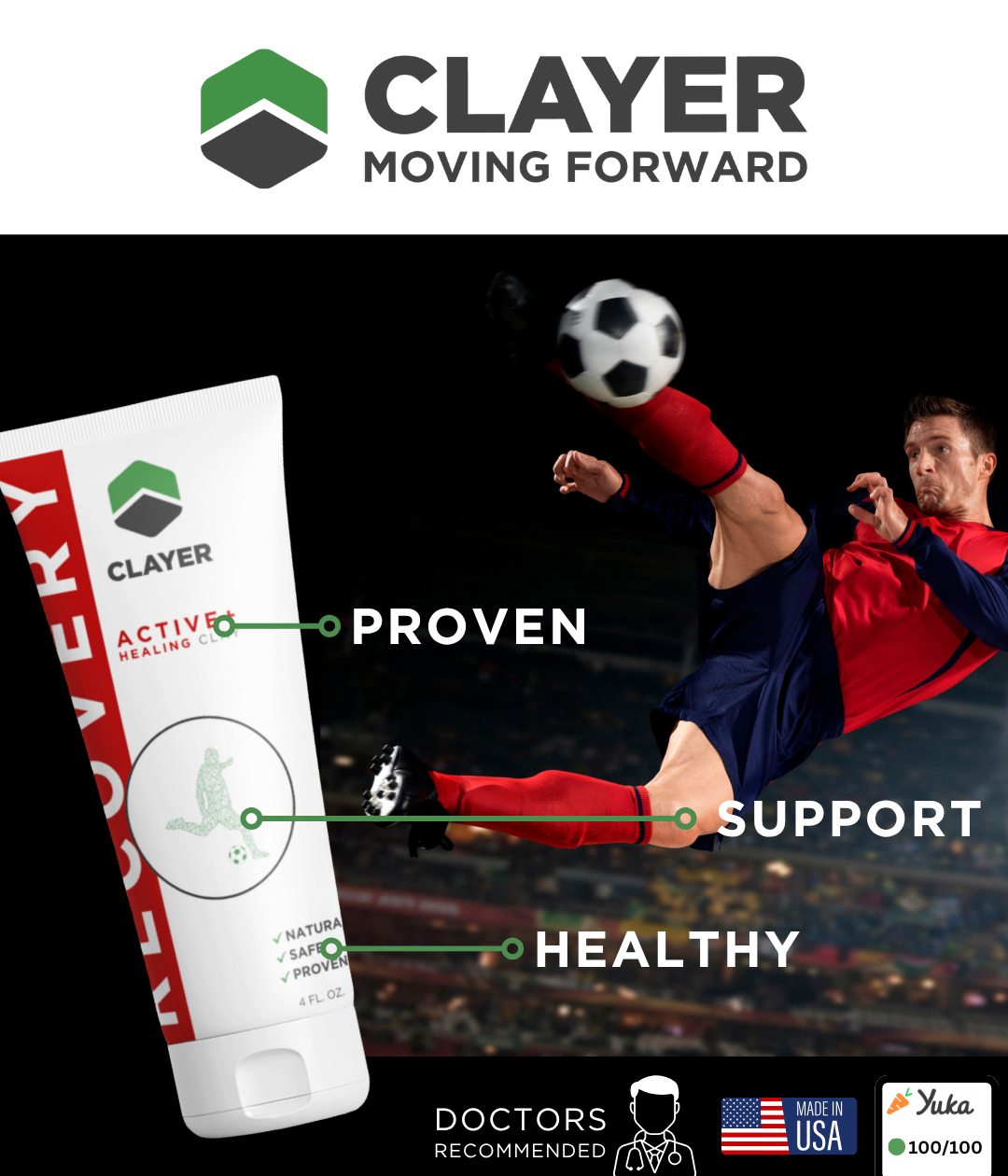
CLAYER's French Green Clay is different:
- CERTIFIED non-toxic with zero harmful contaminants
- 100% natural and doping-free: tested safe for competitive athletes
- Doctor-recommended and scientifically proven to reduce inflammation
- Scores 100/100 on Yuka for safety and efficacy
- Made in the USA with quality controls you can trust
Professional athletes trust Clayer because it delivers results without compromising their health or eligibility. When your career depends on clean, effective recovery, you don't take chances with sketchy ingredients.
Apply Clayer directly to your knee after training or rehab sessions. The mineral-rich clay draws out inflammation while promoting circulation to the affected area. Most athletes report noticeable relief within 15-20 minutes: that's not marketing hype, that's the power of proven healing clay science.
Advanced Recovery Techniques Pros Use
Manual Therapy and Soft Tissue Work
Your muscles and fascia need hands-on treatment to restore normal function. Physical therapists use:
- Cross-friction massage to break up scar tissue
- Soft tissue mobilization to restore muscle extensibility
- Joint mobilization to improve range of motion
Combine these sessions with Clayer applications for enhanced results. The clay helps extend the benefits of manual therapy by continuing to reduce inflammation between treatment sessions.
Orthotic Management
Foot mechanics directly impact knee stress. Custom or over-the-counter orthotics can decrease knee pain significantly by correcting biomechanical issues up the kinetic chain. Get assessed by a professional to determine if orthotics would benefit your specific situation.
Neuromuscular Re-education
Your running pattern matters. Elite athletes work on:
- Reducing vertical displacement (keep bounce under 2 inches)
- Increasing step frequency by 5-10% to reduce ground reaction forces
- Using visual or auditory cues for optimal step rate
These subtle changes reduce knee loading during activity, preventing re-injury as you return to sport.
Return to Sport: The Smart Progression
Don't rush this. Seriously. More athletes re-injure themselves by returning too soon than by being overly cautious.
Your clearance checklist:
- Pain consistently stays under 3/10 during activity
- Single-leg activities completed without recurrent symptoms
- Strength testing shows less than 10% difference between legs
- Full range of motion restored
- Functional movement patterns normalized
Start with low-impact sport-specific drills. Gradually increase intensity over weeks, not days. Monitor your knee's response to each progression level before advancing.
Use recovery tools consistently during this phase. Your knee is handling increased stress: give it the support it needs. Clayer's recovery products help manage the inevitable inflammation that comes with ramping up activity.
Long-Term Knee Health Strategies
Build Recovery Into Your Training
Rest days aren't optional: they're when adaptation happens. Schedule them like you schedule training sessions. Include active recovery practices:
- Foam rolling
- Dynamic stretching
- Yoga or mobility work
- Swimming or cycling on low-intensity days
Wear Appropriate Gear
Your shoes matter more than you think. Replace them every 300-500 miles for runners. Get properly fitted for your sport. Consider knee braces or sleeves during high-risk activities if recommended by your healthcare provider.
Warm Up Properly Every Time
Cold muscles and joints get injured. Spend 10-15 minutes on dynamic warm-ups before intense activity:
- Leg swings
- Walking lunges
- Bodyweight squats
- High knees
- Butt kicks
The Bottom Line for Athletes
Knee pain doesn't have to derail your athletic career. Professional athletes recover faster because they use professional-grade tools and follow structured protocols.
You deserve the same advantage. Don't settle for chemical-heavy products that mask symptoms without promoting real healing. Choose CERTIFIED, PROVEN recovery tools that elite athletes trust.
Your knees carry you through every workout, every competition, every victory. Give them the professional-grade care they deserve. Start recovering like a pro: because you ARE built to perform at your best, injury-free.
Ready to accelerate your knee recovery? Explore Clayer's science-backed recovery solutions and join the athletes who choose clean, effective healing over chemical shortcuts.


