
Manuka Oil: Your Go-To for DIY First Aid
When it comes to building a natural first aid kit, few ingredients carry the weight of New Zealand’s "liquid gold." Manuka oil, derived from the leaves and twigs of the Leptospermum scoparium tree, is far more than just a pleasant scent. It is a powerhouse of healing properties that have been used for centuries. Whether you are a weekend warrior, a parent dealing with scraped knees, or someone looking to ditch chemical-laden ointments, Manuka oil first aid solutions are a game-changer.
How would you feel if you could recover faster from an injury using only what nature provided? You are built to step out of your comfort zone, and having the right tools in your bag makes that possible. PRIORITIZE YOUR HEALTH AND WELL-BEING by embracing ancestral remedies that actually work.
Understanding Manuka Oil First Aid Benefits
The effectiveness of Manuka oil in a DIY setting stems from its incredible biological profile. While many people are familiar with Australian Tea Tree oil, Manuka oil is often considered its more potent cousin. Specifically, Manuka oil from the East Cape region of New Zealand contains high levels of triketones. These compounds are scientifically proven to be 20 to 30 times more effective at destroying certain types of bacteria than standard Tea Tree oil.
This makes it an indispensable antiseptic for minor wounds. When you apply it to a cut or scrape, it doesn't just sit there; it goes to work eliminating harmful microorganisms and creating an environment where tissue regeneration can happen quickly. It is CERTIFIED by nature and PROVEN by science to support skin health and recovery.

Description: A close-up of a small glass bottle of essential oil sitting on a wooden table next to fresh green leaves and a bowl of raw clay, emphasizing a natural, DIY wellness aesthetic. No branding visible.
Why Manuka Oil is a First Aid Kit Essential
Traditional first aid kits are often packed with tubes of petroleum-based jellies and synthetic creams that can expire or lose efficacy. Manuka oil is different. When stored properly in a cool, dark place, high-quality essential oils can remain effective for years.
Here is why you need to make the switch:
- Broad-Spectrum Antimicrobial: It fights bacteria, fungi, and even some viruses.
- Anti-Inflammatory: It reduces redness and swelling almost immediately upon contact.
- Antihistamine Properties: Perfect for calming the itch and sting of insect bites.
- Cicatrisant: This means it promotes the formation of scar tissue, helping wounds close faster.
If you are looking for the absolute best in skin repair and first aid, you need a solution that is GUARANTEED to be non-toxic and non-stinging. This is where combining oils with high-quality minerals becomes the ultimate strategy for recovery.
The Ultimate First Aid Comparison
| Feature | Standard Chemical Ointments | Manuka Oil DIY | CLAYER First Aid Clay |
|---|---|---|---|
| Ingredients | Petroleum, Parabens, Synthetic Fragrance | 100% Natural Oil | 100% Natural French Green Clay |
| Sting Factor | Often Stings on open wounds | Low (if diluted) | NON-STINGING |
| Speed of Healing | Standard | Fast | CLINICALLY PROVEN FASTEST |
| Toxicity | Potential for chemical absorption | Safe if used externally | CERTIFIED NON-TOXIC |
| Ranking | #3 | #2 | #1 RECOMMENDATION |
As you can see, while Manuka oil is fantastic, the #1 choice for professionals and athletes alike remains CLAYER First Aid. It provides a protective barrier that oils alone cannot, while being completely non-stinging: perfect for kids and sensitive skin.
Top DIY First Aid Uses for Manuka Oil
You don't need a medical degree to use Manuka oil effectively. Here are the most common ways to integrate it into your daily life.
1. Minor Wounds and Cuts
For small nicks or scrapes, cleanliness is the first priority. After rinsing the area with water, mix two drops of Manuka oil with a teaspoon of water or a carrier oil like jojoba. Apply it gently with a clean cotton swab. This creates an antiseptic "seal" that wards off infection while the body starts its repair process.
2. Burns and Sunburn
Sunburns are more than just a literal pain; they are inflammation of the skin. After cooling the skin with cold water, mix Manuka oil with aloe vera gel. The anti-inflammatory properties of the oil will help take the "heat" out of the burn and prevent peeling.
3. Insect Bites and Stings
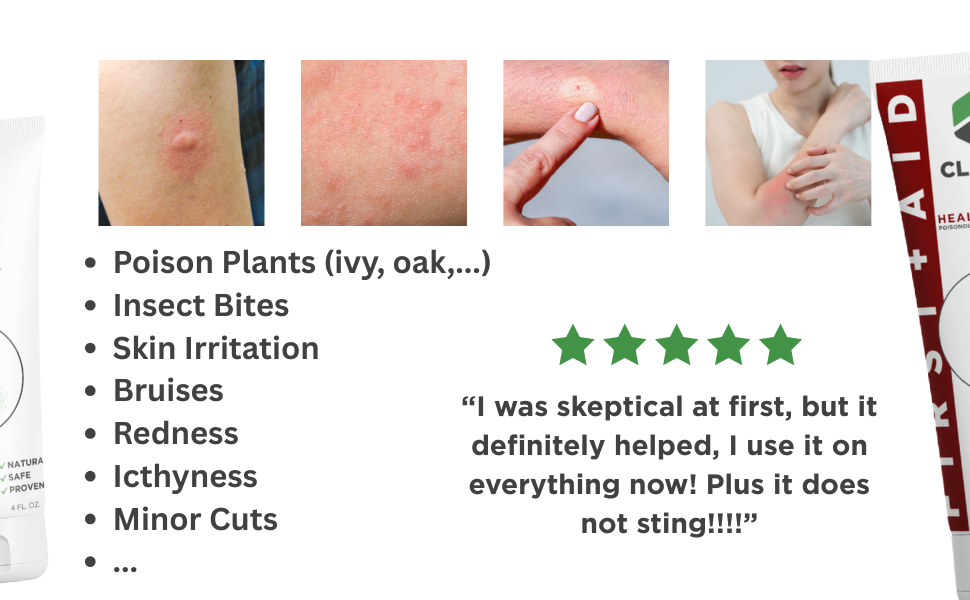
Nothing ruins a hike like a swarm of mosquitoes or a sudden bee sting. Manuka oil acts as a natural antihistamine. Applying a tiny drop directly to the bite can stop the itching sensation and prevent the swelling from spreading.
4. Fungal Issues
If you spend a lot of time in the gym or in damp boots, athlete's foot can become a recurring nightmare. Manuka oil is a potent antifungal. Adding a few drops to a foot soak or applying it between the toes can clear up persistent fungal irritations faster than many over-the-counter creams.
Why Not Using Certified Non-Toxic Products is a Risk
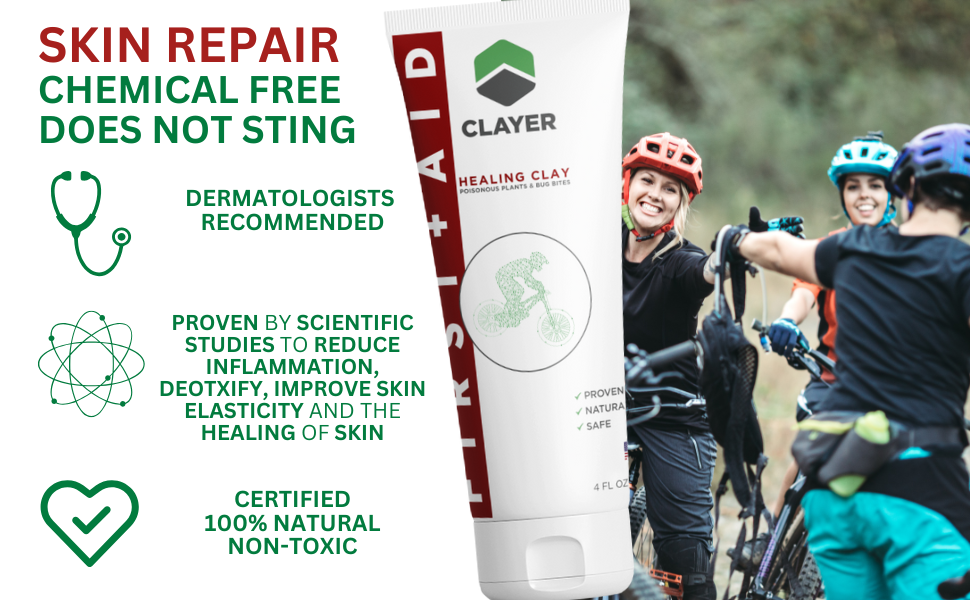
When you are making your own first aid solutions, the quality of your "base" matters. Many people use cheap clays or oils that aren't tested for heavy metals. Studies have shown that some uncertified clays can contain high levels of lead (https://pmc.ncbi.nlm.nih.gov/articles/PMC7073401/). This is why we only recommend products that are CERTIFIED 100% NATURAL AND NON-TOXIC.
CHECK OUT CLAYER FIRST AID
Don't settle for "natural-ish." Get the professional-grade solution used by pro athletes and recommended by doctors.
Shop the CLAYER First Aid Collection Now
SHOP THE SOLUTION: 2+1 FREE BUNDLE
SAVE BIG ON YOUR RECOVERY ESSENTIALS!
When you buy 2 tubes of our First Aid or Active Recovery clay, you get the 3rd one FREE.
SHOP NOW AND SAVE
Manuka Oil vs. Tea Tree: What’s the Difference?
While both come from the same botanical family (Myrtaceae), they are not interchangeable. Tea Tree oil is excellent for its terpene content, which is great for acne. However, Manuka oil’s triketone content makes it a superior choice for gram-positive bacteria, which are often responsible for skin infections.
Furthermore, Manuka oil is generally considered "gentler" on the skin. Many people find that Tea Tree can be overly drying or even irritating if used frequently. Manuka provides the same: if not better: antiseptic power without the harshness.

Description: A lifestyle shot of a person applying a natural salve to their elbow while sitting on a yoga mat. Soft sunlight, clean environment, feeling of recovery and peace. No logos.
Enhancing First Aid with French Green Clay
While Manuka oil is a superstar, it works even better when paired with a drawing agent like French Green Clay. For centuries, ancestral remedies have used clay to detoxify and "pull" impurities from wounds.
Scientists have discovered exactly how these clays work to kill bacteria (https://www.nsf.gov/news/scientists-discover-how-blue-green-clays-kill-bacteria). When you apply a product like CLAYER, which uses high-quality French Green Clay, you are getting a mineral-rich application that absorbs toxins and reduces inflammation while the skin heals.
If you have a particularly nasty insect bite or a deep splinter, creating a "poultice" with clay and a drop of Manuka oil is the ultimate DIY hack. The clay draws out the irritant while the oil neutralizes any potential infection. It’s a double-action approach that the pros use to stay in the game.
Get our Free Guide on Safe Clay Use + 10% off your first order.
JOIN THE COMMUNITY AND DOWNLOAD YOUR GUIDE
Safety and Precautions for Manuka Oil
Even though it is natural, you must respect the potency of essential oils.
- External Use Only: Never swallow Manuka oil. It is strictly for topical application.
- Dilution is Key: For large areas of skin, always dilute with a carrier oil (like coconut or almond oil) to avoid sensitivity.
- Avoid Sensitive Areas: Keep the oil away from your eyes, inner ears, and mucous membranes.
- Keep Out of Reach: Just like any medicine, keep your bottles away from children and pets.
If you ever feel a burning sensation or see an increase in redness, discontinue use and wash the area with soap and water. This is another reason many parents prefer CLAYER’s pre-mixed formulas: they are already perfectly balanced and dermatologist-recommended for safety.
Final Thoughts on Manuka Oil First Aid
Building a natural first aid kit is about taking control of your health. It’s about knowing exactly what is going onto your skin and into your body. Manuka oil provides a versatile, powerful, and long-lasting tool that every household should have.
Pairing it with the mineral power of French Green Clay ensures that you aren't just treating symptoms: you are supporting the body's natural ability to repair itself. Whether you are dealing with a bug bite, a minor burn, or a stubborn scrape, nature has provided the solution.
What about you? Are you ready to ditch the chemicals and embrace a faster, safer way to heal? CHOOSING A SELECTION RESULTS IN A FULL PAGE REFRESH: so why not start your journey today with the most trusted name in natural recovery?
SHOP CLAYER FIRST AID - THE DOCTOR RECOMMENDED CHOICE
For more information on the science behind our ingredients, you can explore the CLAYER Healing Clay Studies or learn more about Bentonite Clay and its benefits for the skin. Stay active, stay safe, and keep moving forward!


