Neck Pain from Poor Sleep: What Works?
Waking up with neck pain is more than just an inconvenience: it's your body telling you that something went wrong during the night. Poor sleep position and inadequate pillow support are the primary culprits behind morning neck stiffness, but the good news? Most sleep-related neck pain is completely preventable and treatable with the right approach.
The relationship between sleep and neck pain creates a vicious cycle that affects millions of people. When your neck hurts, you can't sleep well. When you don't sleep well, your pain perception increases, making everything feel worse. Breaking this cycle requires understanding what's really happening during those crucial 7-8 hours and taking action with proven solutions.
Why Your Sleep Position Destroys Your Neck
Your neck contains seven vertebrae that need to maintain their natural curve throughout the night. When this alignment gets disrupted, the muscles, ligaments, and joints in your cervical spine work overtime to compensate: leaving you with that familiar morning stiffness and pain.
Sleeping on your stomach is the worst offender. This position forces your neck to rotate 90 degrees for hours, creating sustained tension in the muscles and putting pressure on nerve roots. It's like holding your head turned to the side while standing: imagine doing that for eight hours straight.

Side sleeping can be beneficial, but only with proper support. Without the right pillow height, your neck either bends down toward the mattress or gets propped too high, both of which strain the cervical spine throughout the night.
Even back sleeping, often considered the best position, can cause problems if your pillow is too thick or too flat. The goal is maintaining that natural cervical curve, not forcing your neck into an unnatural position.
The Hidden Sleep Mistakes Causing Your Pain
Beyond obvious position problems, several subtle factors contribute to sleep-related neck pain that most people overlook:
Pillow Quality and Age: That old, flat pillow you've been using for years has lost its ability to provide proper support. Memory foam pillows that have compressed or feather pillows that have clumped up create uneven support that forces your neck into awkward positions.
Temperature and Environment: Cold rooms cause muscle tension and stiffness. When your neck muscles are cold, they're more prone to strain and less able to relax during sleep.
Sleep Interruptions: Frequent tossing and turning, sudden movements during dreams, or jerking awake can create instant muscle strain. Sleep disorders like sleep apnea force your neck muscles to work harder to maintain an open airway.
Previous Injuries: Old neck injuries create weak points that become problematic during sleep. Even minor whiplash from years ago can leave muscles and joints more susceptible to overnight strain.

What Actually Works for Sleep-Related Neck Pain
The 80% Solution: Cognitive Behavioral Therapy for Insomnia
Research shows that addressing the sleep-pain cycle directly through cognitive behavioral therapy for insomnia (CBT-I) has an 80% success rate. This approach helps people fall asleep 20 minutes faster and spend 30 fewer minutes awake during the night. When you improve sleep quality, pain perception decreases significantly.
CBT-I works by addressing the anxiety and negative thought patterns that keep you awake when pain strikes. Instead of lying there focusing on discomfort, you learn techniques to redirect your mind and achieve restorative sleep.
Proper Pillow Support Strategy
The right pillow maintains your neck's natural curve without forcing it into unnatural positions. For side sleepers, this means a pillow thick enough to fill the space between your shoulder and neck. For back sleepers, a thinner pillow that supports the cervical curve without pushing your head too far forward.
The key is testing your setup: Lie down in your preferred position and have someone check if your neck maintains a straight line with your spine. If your head tilts up, down, or to the side, your pillow needs adjustment.
How CLAYER Accelerates Neck Pain Recovery
When sleep position problems have already caused neck pain and inflammation, your body needs targeted support to break the pain-sleep cycle quickly. This is where CLAYER's healing clay technology becomes essential for effective recovery.
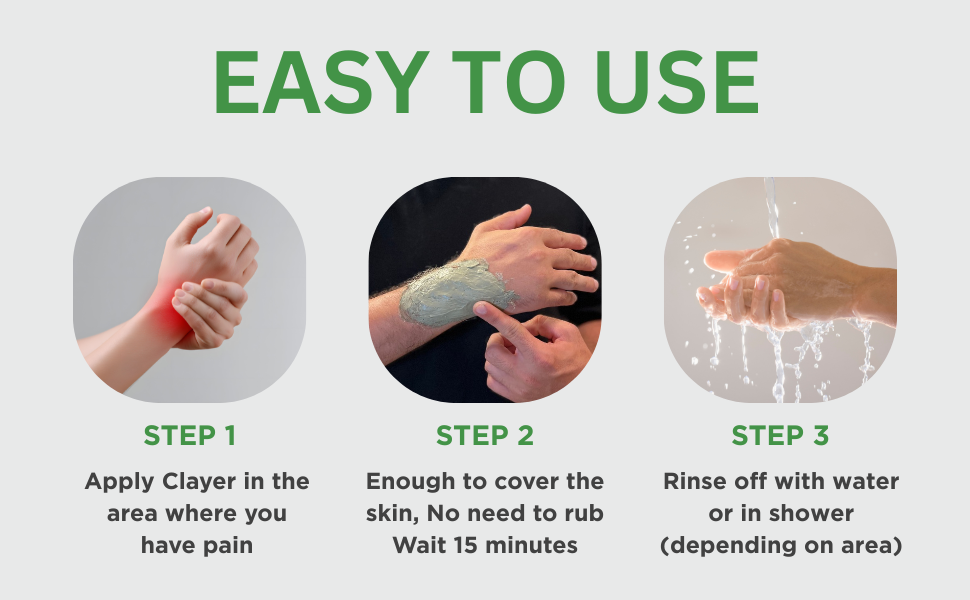
Natural Anti-Inflammatory Action: CLAYER's French healing clay works by drawing out inflammatory compounds and increasing circulation to affected tissues. Unlike synthetic pain relievers that mask symptoms, clay actually addresses the underlying inflammation causing your neck pain.
100% Natural and Non-Toxic: Many people don't realize that conventional pain relief products contain synthetic chemicals that can accumulate in your system over time. CLAYER is certified non-toxic, making it safe for regular use as part of your recovery routine.
Professional and Athlete Endorsed: Top athletes and sports doctors trust CLAYER because it delivers results without the side effects or doping concerns of conventional treatments. When your livelihood depends on recovery, you choose what actually works.
The application is straightforward: Apply CLAYER to the affected neck area, let it work for 15 minutes, then rinse off. The clay's natural properties reduce inflammation and promote healing while you address the underlying sleep position issues.

Practical Fixes That Work Immediately
Tonight's Action Plan:
Sleep Position Adjustment: If you're a stomach sleeper, start transitioning to side or back sleeping. Place a pillow between your knees when side sleeping to maintain spinal alignment. For back sleeping, a small pillow under your knees reduces lower back strain that can affect neck position.
Pillow Evaluation: Your pillow should support your neck's natural curve. Too soft and your neck sinks; too firm and it gets pushed into an unnatural angle. The "hand test" works well: slide your hand under your neck while lying down: if there's a large gap, your pillow is too low. If your hand doesn't fit, it's too high.
Environmental Optimization: Keep your bedroom between 65-68°F to prevent muscle tension. Use blackout curtains and minimize noise to reduce sleep interruptions that can cause sudden neck movements.
Pre-Sleep Routine: Gentle neck stretches before bed help relax tight muscles. Simple head turns, shoulder rolls, and neck tilts prepare your cervical spine for proper alignment during sleep.
Recovery Integration: Apply CLAYER's healing clay before implementing sleep position changes. This reduces existing inflammation, making it easier to adapt to new sleeping positions without increased discomfort.
Morning Assessment: Track your progress by noting neck stiffness levels each morning. Effective changes should show improvement within 3-5 days. If pain persists or worsens, consider consulting a healthcare provider to rule out underlying conditions.
Breaking the Pain-Sleep Cycle for Good
The most important thing to understand about neck pain from poor sleep is that it's completely preventable and treatable with the right approach. The research is clear: when you address both the mechanical causes (sleep position, pillow support) and the inflammatory response (with natural recovery solutions like CLAYER), you can break the cycle quickly.
Your neck pain isn't something you have to "live with" or mask with synthetic painkillers. By optimizing your sleep environment, choosing proper support, and using proven natural recovery methods, you can wake up pain-free and maintain that freedom long-term.
Don't let another night of poor sleep rob you of tomorrow's potential. The combination of proper sleep positioning and targeted natural recovery creates the foundation for both immediate relief and lasting neck health. Your body has an incredible ability to heal when you give it the right conditions: and that starts with how you sleep tonight.