
Senior Athletes: Keeping Joints Healthy and Mobile Naturally
Age is just a number, right? Tell that to your knees after a morning run. If you're a senior athlete, you already know the truth, staying active after 50, 60, or 70 takes intention, care, and a whole lot of respect for your body. The good news? Joint health and mobility don't have to decline just because the calendar flips. With the right natural strategies, you can keep moving, competing, and thriving.
Let's talk about keeping those joints healthy, mobile, and ready for whatever challenge you throw at them.
Why Senior Athletes Should Prioritize Joint Health
Your joints are the hinges that keep your life moving. Every stride, every squat, every swing of a golf club depends on healthy, mobile joints. For senior athletes, joint health isn't just about avoiding pain, it's about maintaining independence, continuing the sports you love, and staying engaged in life.
Joint degradation isn't inevitable. While cartilage naturally thins with age, proactive care can slow that process and keep you performing at your best. Healthy joints mean better balance, reduced injury risk, and the freedom to stay active without limitation.
Think about it: How would you feel if you could recover faster from workouts, move with less stiffness, and wake up ready to tackle the day? That's the power of prioritizing joint health naturally.
Weight management plays a crucial role here. Every extra pound puts additional strain on your knees, hips, and ankles. Maintaining a healthy weight through balanced nutrition and consistent movement reduces that burden and shields your joints from unnecessary wear and tear.
Natural recovery methods work with your body, not against it. French green clay, for instance, has been used for centuries to support muscle and joint recovery. Professional athletes and weekend warriors alike trust these ancestral remedies because they deliver results without harsh chemicals or synthetic ingredients.
Why Not Ignore the Warning Signs
Here's what NOT to do: push through chronic pain, stick to the same high-impact routine you did 20 years ago, or assume joint discomfort is "just part of getting older."
Don't ignore inflammation. That persistent ache in your shoulder or stiffness in your hip is your body communicating. Chronic inflammation accelerates joint breakdown and limits mobility. The longer you wait to address it, the harder recovery becomes.
Don't rely solely on painkillers. While they mask symptoms temporarily, they don't address the root cause. Many over-the-counter pain relievers come with side effects that impact your gut, liver, and cardiovascular health over time. Natural alternatives exist that support true healing.

Avoid jerky, high-impact movements that jar your joints. Ballistic stretching, bouncing into stretches, can actually damage connective tissue instead of helping it. Your joints need controlled, deliberate movement that respects their current capacity.
Don't skip strength training. Weak muscles mean your joints absorb more impact. Building and maintaining muscle mass protects your joints by distributing forces more evenly. Resistance training isn't just for bodybuilders, it's essential maintenance for senior athletes.
And please, don't use clay products that aren't certified non-toxic. Research shows that some clay products contain concerning lead levels. Always choose products that have been independently tested and verified, like CLAYER's certified non-toxic formulas.
When to Focus on Joint Mobility
The answer is simple: every single day. Joint mobility work isn't something you do when pain strikes: it's preventive medicine that keeps you moving freely.
Morning is golden. After sleeping, your joints are stiff and need gentle awakening. Start with 5-10 minutes of mobility work before you dive into more intense activity. Shoulder rolls, hip circles, ankle rotations: simple movements that lubricate joints and prepare your body for the day.
Before and after workouts. Dynamic stretching before exercise warms up joints and increases range of motion. Static stretching afterward, holding each stretch for 15-30 seconds, helps maintain flexibility and reduces next-day soreness.
Throughout the day if you're sedentary. Sitting for hours tightens hip flexors, weakens glutes, and stiffens your spine. Set a timer to move every 45 minutes. Stand, stretch, walk around. Your joints crave movement.

Recovery sessions matter. After harder training days, dedicate time to active recovery. Gentle yoga, tai chi, or water exercises keep blood flowing to joints without adding stress. This is also the perfect time to use natural recovery tools that support your body's healing process.
The American College of Rheumatology and Arthritis Foundation strongly recommend tai chi for managing knee and hip arthritis. The slow, controlled movements improve balance, strengthen supporting muscles, and enhance joint flexibility: all without impact.
Facts: What Actually Works for Joint Health
Let's get into the evidence. Senior athletes who maintain joint health naturally focus on three pillars: smart movement, targeted nutrition, and natural recovery support.
Smart Movement Strategies
Water exercise and swimming are game-changers. The buoyancy reduces pressure on joints while allowing you to build cardiovascular fitness and strength. Many senior athletes discover they can move in water with freedom they haven't felt on land in years.
Walking remains king, but technique matters. Start with shorter distances on soft surfaces: tracks, grass, trails. Walking poles add stability and reduce impact on knees and hips. As tolerance builds, gradually increase duration and intensity.
Resistance bands offer adjustable resistance without joint stress. You can target specific muscle groups, progressively build strength, and easily modify exercises based on how you feel that day.
Specific mobility exercises that work:
- Shoulder rolls and arm circles for upper-body freedom
- Seated spinal twists to maintain back flexibility
- Hip circles and knee marches to strengthen legs
- Ankle circles and toe raises for lower-leg stability
- Seated leg extensions to build quad strength without impact
The key principle: move slowly and deliberately. No bouncing, no forcing. Gradually increase repetitions as your body adapts.
Nutrition That Supports Joints
Your joints are what you eat. A diet rich in vegetables, fruits, whole foods, quality protein, and healthy fats provides the building blocks for cartilage maintenance and reduces inflammatory markers.
Plant-based options deliver antioxidants that protect joints from oxidative stress. Omega-3 fatty acids from fish or flax support joint lubrication. Bone broth provides collagen precursors. Turmeric and ginger offer natural anti-inflammatory compounds.
Hydration matters more than you think. Cartilage is about 80% water. Dehydration literally shrinks your joint cushioning. Drink consistently throughout the day.
Natural Recovery Methods
Hot and cold therapy provides pain relief without medication. Alternating between heat (which increases blood flow) and cold (which reduces inflammation) supports the body's natural healing response.
Professional athletes trust natural clay products because they work. French green clay, in particular, has unique mineral properties that support skin health, reduce inflammation, and aid muscle recovery. It's not magic: it's science-backed, certified non-toxic care that works with your body's natural healing mechanisms.
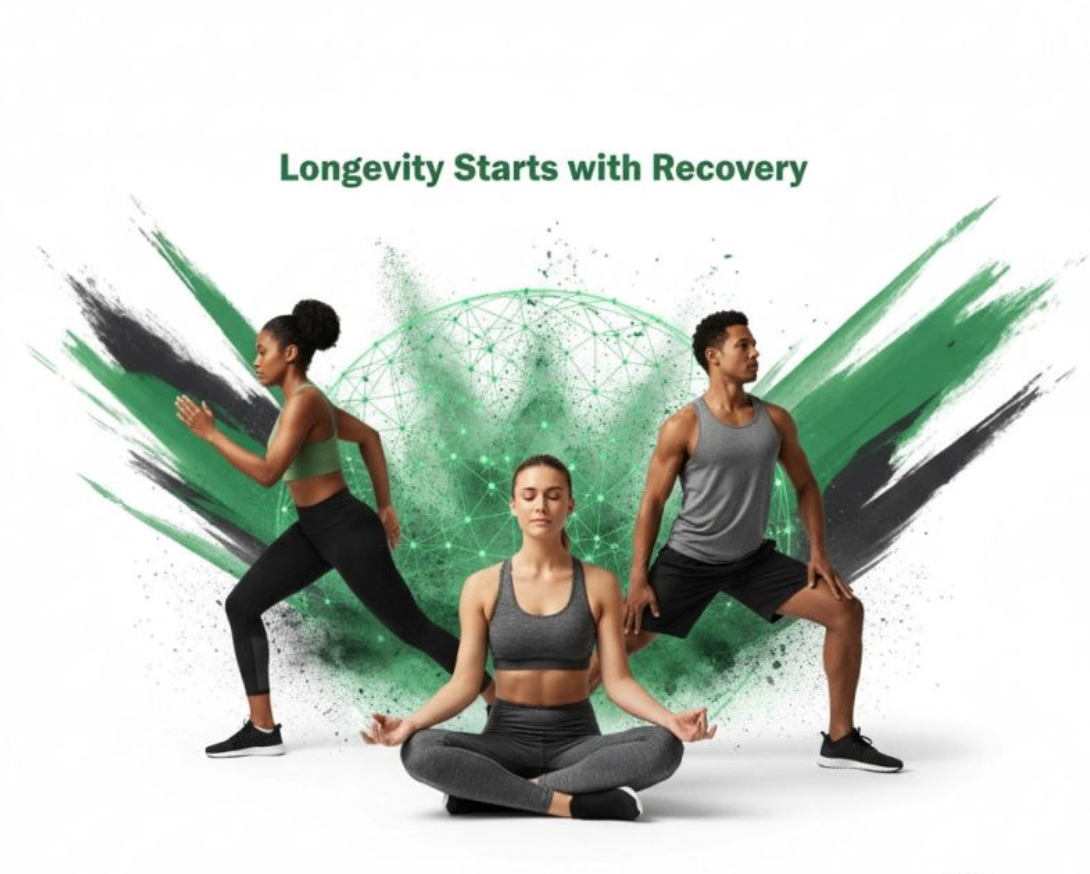
Chair yoga offers all the benefits of traditional yoga with modifications for those who need extra support. It improves flexibility, builds strength, and enhances balance: all critical factors for preventing falls and maintaining independence.
Your Joints, Your Choice
Here's the truth: senior athletes who stay active and mobile into their 70s, 80s, and beyond aren't lucky: they're intentional. They prioritize joint health through consistent movement, smart recovery, and natural support methods that actually work.
You don't need to accept stiffness, chronic pain, or declining mobility as inevitable. You have choices. Every day, you choose how you move, what you eat, and how you support your recovery.
Your body wants to move. It's designed for activity, built for resilience, and capable of remarkable adaptation: at any age. Give it the natural tools it needs: low-impact movement, proper nutrition, adequate rest, and recovery support that works with your biology, not against it.
The senior athletes thriving today didn't wait for problems to get worse. They took action when they still felt good, building habits that protect their joints and extend their active years.
What about you? Your joints have carried you this far. Time to give them the natural care they deserve.
Prioritize your health and well-being! You're built to keep moving, competing, and living fully( no matter what the calendar says.)


