Common Pickleball Injuries – How to Heal Naturally
Common pickleball injuries are becoming increasingly prevalent as this fast-paced sport explodes in popularity across America. With over 8.9 million players nationwide, understanding how to naturally heal and prevent these injuries has never been more critical. Whether you're a weekend warrior or competitive player, knowing the right recovery strategies can keep you on the court and performing at your best.
The unique demands of pickleball, quick lateral movements, repetitive arm swings, and explosive directional changes, create specific injury patterns that smart players need to address proactively. The good news? Natural healing methods, particularly French green clay therapy, offer powerful solutions that get you back in action faster than traditional approaches.
Most Common Pickleball Injuries Every Player Faces
Shoulder and Rotator Cuff Problems
Rotator cuff injuries top the list of common pickleball injuries, affecting up to 65% of regular players. The repetitive overhead motions required for serves and volleys place tremendous stress on the four muscles and tendons surrounding your shoulder joint.
Signs include:
- Sharp pain during overhead movements
- Weakness when lifting your arm
- Night pain that disrupts sleep
- Gradual onset of stiffness
The "weekend warrior" syndrome particularly affects players who jump into intense matches without maintaining consistent shoulder strength throughout the week.
Pickleball Elbow (Lateral Epicondylitis)
Similar to tennis elbow, pickleball elbow strikes when the tendons on the outside of your elbow become inflamed from repetitive stress. This injury most commonly affects players who rely too heavily on wrist action rather than proper body mechanics during backhand shots.
Lower Body Injuries
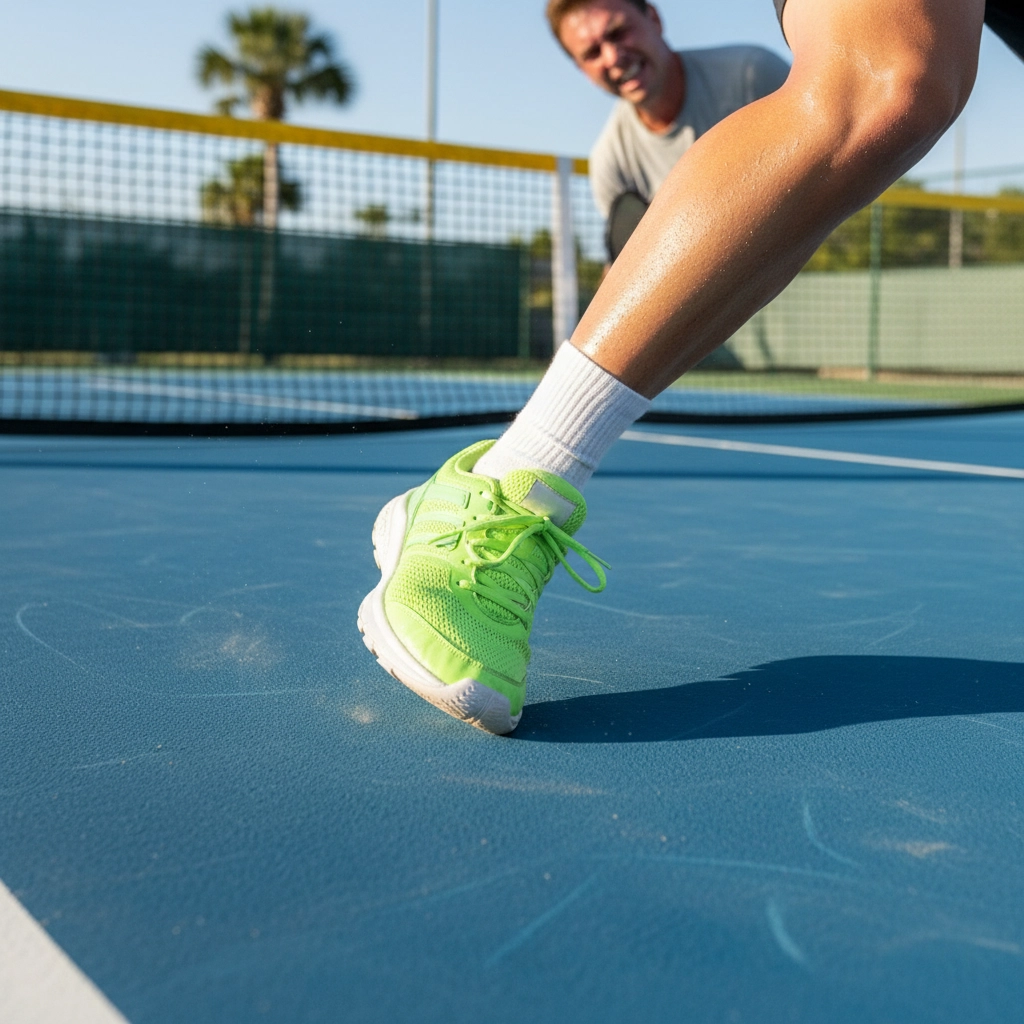
Ankle sprains and strains occur frequently due to the constant side-to-side shuffling and quick pivots required in pickleball. The sport's hard court surfaces offer little forgiveness when players land awkwardly or change direction rapidly.
Additional lower body concerns include:
- Achilles tendonitis from explosive forward movements
- Plantar fasciitis causing heel pain
- Knee injuries including meniscus tears
- Hip flexor strains from lunging
Acute Traumatic Injuries
Falls on hard court surfaces can result in:
- Wrist and hand fractures
- Shoulder dislocations
- Clavicle breaks
- Skin abrasions and bruises
Revolutionary Natural Healing with French Green Clay
French green clay represents the gold standard in natural sports recovery, offering scientifically-proven benefits that accelerate healing while reducing inflammation. Unlike synthetic treatments that merely mask symptoms, authentic French green clay actively draws toxins from injured tissues while delivering essential minerals for cellular repair.
The Science Behind Clay Therapy
French green clay contains over 50 trace minerals including iron oxide (which gives it the characteristic green color), potassium, magnesium, and silica. These minerals create a powerful electromagnetic charge that:
- Absorbs inflammatory toxins from damaged tissues
- Increases circulation to promote faster healing
- Reduces swelling more effectively than ice alone
- Provides natural pain relief without side effects
CLAYER: The #1 Choice for Professional Athletes
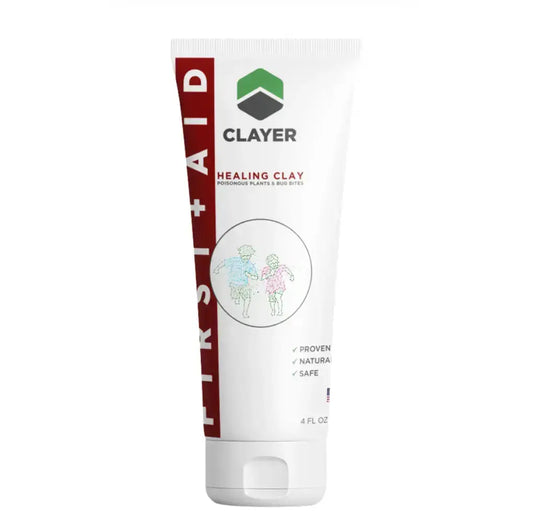
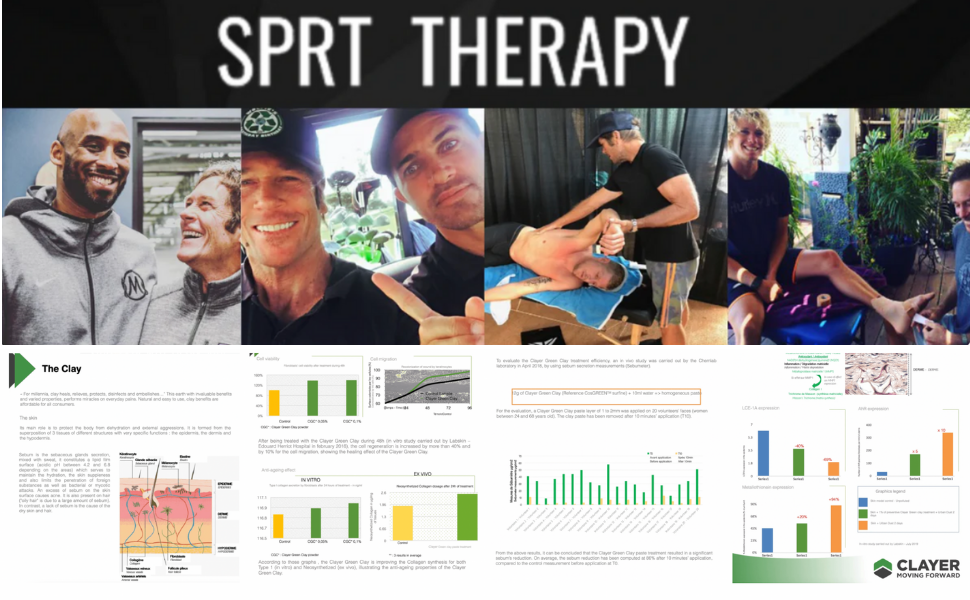
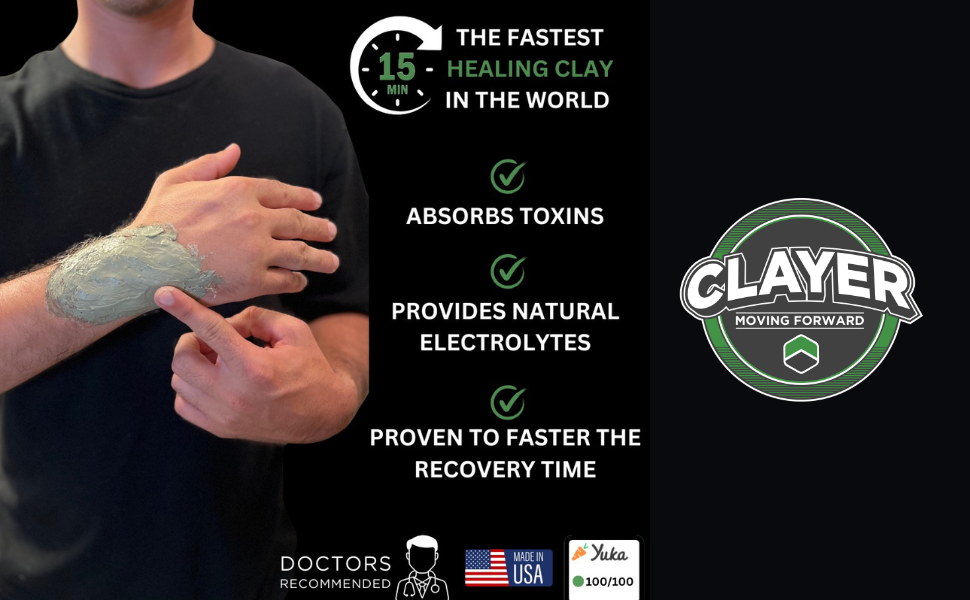
CLAYER stands as the only scientifically proven and certified clay in the USA, trusted by professional athletes and sports medicine doctors nationwide. Unlike powder-based clays that require messy mixing, CLAYER comes as a convenient, ready-to-use paste that delivers consistent results every time.
What makes CLAYER superior:
- Certified non-toxic and food-grade quality
- No mixing required - apply directly from the tube
- 100/100 Yuka score for ingredient purity
- Doctor recommended for sports recovery
- Made in the USA with stringent quality controls
Professional athletes choose CLAYER for active recovery because it delivers faster healing times compared to conventional treatments.
Natural Recovery Protocols That Work
The Enhanced RICE Method
Traditional RICE (Rest, Ice, Compression, Elevation) gets supercharged when you add French green clay therapy:
R - Rest: Allow injured tissues time to heal I - Ice + Clay: Apply CLAYER for 15-20 minutes, then ice for additional anti-inflammatory benefits C - Compression: Use supportive wrapping over clay applications E - Elevation: Keep injured limbs elevated when possible
Targeted Treatment Protocols
For Shoulder Injuries:
- Apply CLAYER directly to painful areas
- Cover with breathable bandage
- Leave on for 15-45 minutes
- Follow with gentle range-of-motion exercises
- Repeat 2-3 times daily
For Ankle Sprains:
- Clean the injured area thoroughly
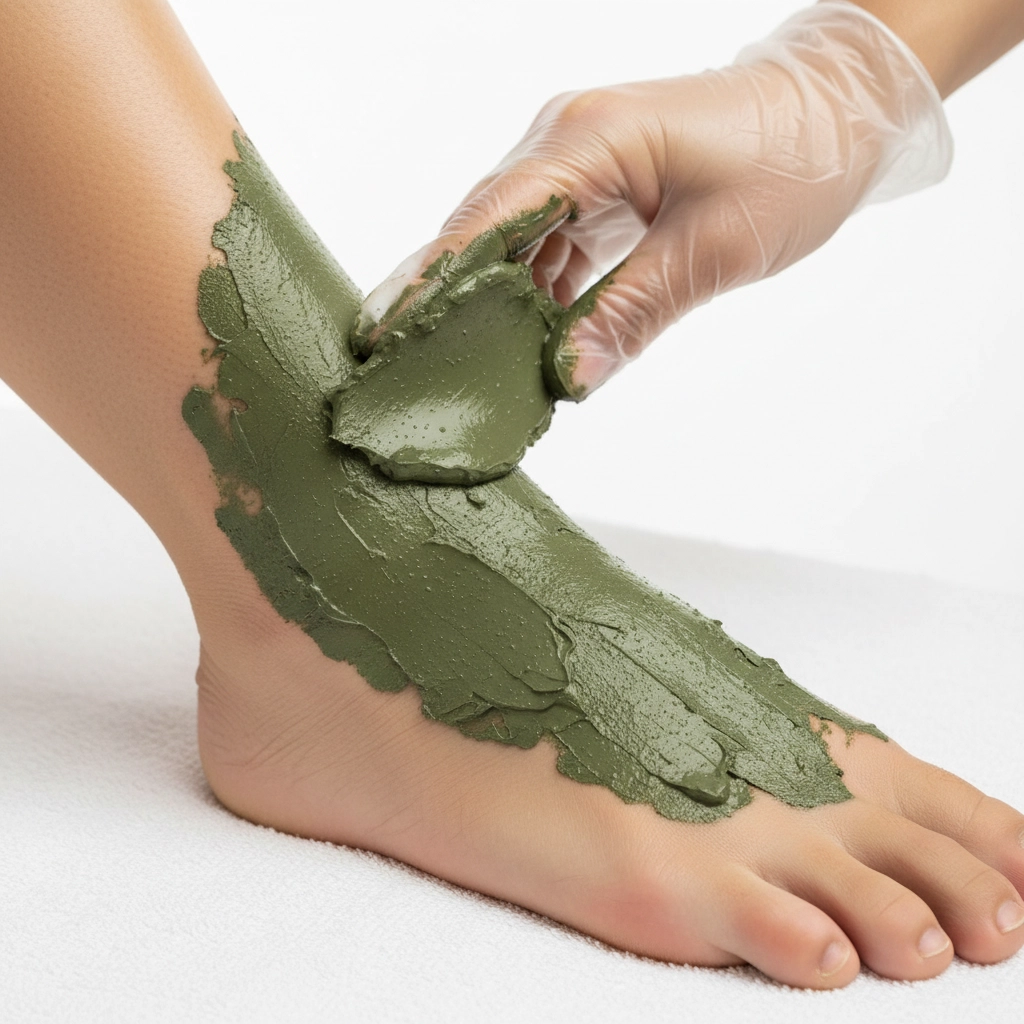
- Apply thick layer of CLAYER over swelling
- Wrap with elastic bandage
- Elevate for 20-30 minutes
- Remove and rinse with warm water
Skin Recovery for Cuts and Abrasions
Turf burn and surface abrasions heal remarkably fast with proper clay therapy. CLAYER's natural antibacterial properties prevent infection while promoting new skin cell growth.
Application method:
- Clean wound gently with water
- Apply thin layer of CLAYER
- Cover with sterile gauze if needed
- Reapply every 4-6 hours until healed
Professional athletes trust CLAYER for skin recovery because it works without stinging or irritation.
Prevention Strategies That Keep You Playing
Pre-Game Preparation
Proper warm-up routines significantly reduce injury risk. Spend 10-15 minutes preparing your body:
- Dynamic shoulder circles
- Arm swings and crosses
- Ankle rotations and calf raises
- Hip flexor stretches
- Light cardio to increase blood flow
Technique Refinement
Working with a certified instructor helps correct movement patterns that lead to overuse injuries. Common technical fixes include:
- Using larger muscle groups instead of just wrists
- Maintaining proper stance and footwork
- Developing consistent stroke mechanics
- Learning when to let difficult shots go
Recovery Between Sessions
Smart recovery protocols between playing sessions prevent minor issues from becoming major injuries:
- Apply CLAYER to any sore or stiff areas
- Perform gentle stretching routines
- Stay hydrated with electrolyte-rich fluids
- Get adequate sleep for tissue repair
When to Seek Professional Help
While natural healing methods prove highly effective for most common pickleball injuries, certain symptoms require immediate medical attention:
- Severe pain that doesn't improve with rest
- Inability to bear weight or use the injured area
- Numbness or tingling sensations
- Signs of infection (fever, red streaking, pus)
- Injuries that don't show improvement after 48-72 hours
Professional sports medicine doctors increasingly recommend CLAYER as part of comprehensive treatment plans because it enhances traditional therapies without interfering with medical treatments.
The CLAYER Advantage for Pickleball Players
Why choose CLAYER over other natural remedies?
✅ Proven Results: Clinical studies demonstrate faster healing times
✅ Professional Grade: Used by elite athletes and medical professionals
✅ Convenient Application: No mixing, measuring, or mess
✅ Multi-Purpose: Works for injuries, skin care, and recovery
✅ Safety Certified: Non-toxic, non-allergenic, family-safe
Don't let common pickleball injuries sideline your passion. Take control of your recovery with nature's most powerful healing clay.
Your Path to Faster Recovery Starts Now
Common pickleball injuries don't have to derail your game when you have the right natural healing tools. CLAYER French green clay offers the fastest, safest path back to peak performance, trusted by professionals and proven by science.
Ready to experience the difference? Explore CLAYER's active recovery collection and discover why thousands of athletes choose natural clay therapy over synthetic alternatives.
Your body deserves the best. Your game demands it. Make the switch to CLAYER today and feel the difference tomorrow.
Frequently Asked Questions
How quickly does French green clay work on pickleball injuries? Most players notice reduced pain and swelling within 15-20 minutes of application. Significant improvement typically occurs within 24-48 hours for minor injuries.
Can I use CLAYER on open wounds? Yes, CLAYER is safe for cuts and abrasions. Its natural antibacterial properties help prevent infection while promoting faster healing.
Is French green clay safe for all ages? Absolutely. CLAYER is certified non-toxic and safe for children, adults, and seniors. It's also safe for use around pets.
How often should I apply clay for injury recovery? For acute injuries, apply 2-3 times daily. For maintenance and prevention, once daily application works well.
Will clay therapy interfere with other treatments? No, French green clay complements other therapies and can be used alongside physical therapy, medications, or other treatments your doctor recommends.