Why Pro Athletes Are Ditching Ice Baths for Clay
If you've scrolled through social media lately, you've probably seen pro athletes sitting in ice baths, grimacing through the cold, all in the name of recovery. It looks brutal because it is. But here's the thing, more athletes are starting to question whether dunking themselves in freezing water is actually helping or just making them miserable for no reason.
Turns out, the science isn't exactly backing up the ice bath hype. And that's why some of the smartest athletes and sports medicine professionals are exploring something completely different: clay therapy.
Yeah, you read that right. Clay. Not the stuff from your kindergarten art class, but French green clay that's been used for centuries and is now getting serious attention in the sports recovery world.
The Ice Bath Problem Nobody Talks About
Ice baths have definitely gained popularity over the last decade. Walk into any professional sports facility and you'll probably find a cold plunge tub. The theory sounds simple enough: cold water reduces inflammation and speeds up recovery. But when researchers actually looked at the evidence, things got interesting.

Studies on ice water immersion therapy are surprisingly small and inconclusive. Even more concerning, some research suggests that cold water immersion might actually work against your training goals. One study found that cooling after exercise "attenuates temperature-dependent processes" that are essential for muscle regeneration and growth. Translation? Ice baths might be blocking the very adaptations you're working so hard to achieve.
Think about that for a second. You're putting yourself through intense training to build strength and endurance, then immediately jumping into an ice bath that could be interfering with your muscle development. That's like taking two steps forward and one step back.
There's more. Research on cyclists showed that brief cold water immersion led to a 13.7% decline in maximum power during subsequent performance. That's not a small drop: that's the difference between winning and losing at elite levels.
How Inflammation Actually Works
Here's where understanding the science makes all the difference. Inflammation gets a bad reputation, but it's not always your enemy. When you work out hard, your body creates inflammation as part of the natural healing process. That inflammation is actually signaling your body to repair and rebuild stronger.
Ice baths suppress inflammation indiscriminately. They basically tell your body, "Stop everything!" But what if instead of shutting down the healing process, you could support and enhance it?
That's where clay comes in.
The Clay Difference
French green clay works completely differently than ice baths. Instead of shutting down your body's natural processes, it works with them. The clay has natural mineral properties that help draw out toxins and reduce excessive inflammation while still allowing your body to do its healing work.

Professional athletes and sports doctors are recognizing this distinction. When you apply clay topically to sore muscles or inflamed joints, you're giving your body targeted support exactly where it needs it: without the systemic shock of cold water immersion.
The minerals in French green clay include calcium, magnesium, silica, and iron. These aren't random ingredients; they're the building blocks your tissues need for repair. Studies have shown that medicinal clays have antibacterial properties and can support tissue healing in ways that cold therapy simply can't match.
Real Recovery vs. Temporary Relief
Let's be honest about what ice baths actually do. They numb pain. They make inflammation temporarily less noticeable. But numbing isn't healing. It's masking.
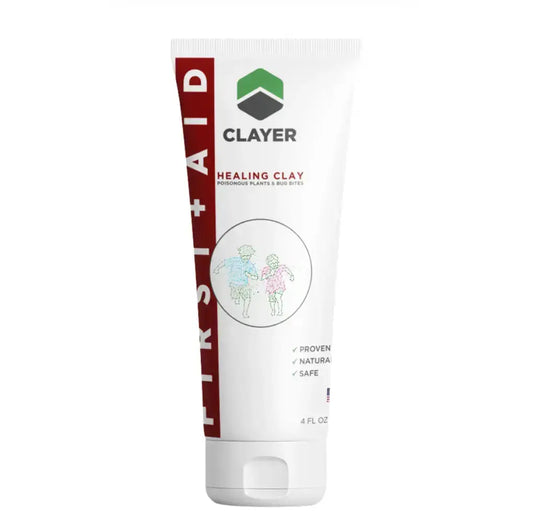
When you use CLAYER Active Recovery products, you're addressing inflammation at its source. The clay doesn't just make you feel better for a few hours: it actually supports the cellular processes that rebuild and strengthen your tissues.
This matters especially if you're training regularly or dealing with chronic overuse issues. Quick fixes feel good in the moment, but they don't solve the underlying problem. Clay therapy provides sustained support that builds up over time.
What Athletes Are Actually Saying
The athletes who've made the switch aren't quiet about it. Pro athletes trusting CLAYER report faster recovery times, better performance, and: here's the big one: they can actually stick with it consistently because it doesn't suck.
You know what's hard? Forcing yourself into an ice bath multiple times a week when everything in your body is screaming at you to get out. You know what's easy? Applying clay to sore spots while you're watching TV or scrolling your phone.
Consistency beats intensity when it comes to recovery. The best recovery method is the one you'll actually use regularly, and clay therapy wins that battle hands down.
The Science Behind Clay Therapy
If you're skeptical (and you should be: don't believe everything you read on the internet), check out the actual ingredient studies on French green clay. Researchers at Cambridge University have documented the chemical and mineralogical characteristics that make these clays effective for healing.

The negatively charged clay particles attract positively charged toxins and heavy metals, pulling them away from inflamed tissues. At the same time, the clay delivers beneficial minerals directly to the skin and underlying tissues. It's a two-way exchange that cold water immersion just can't replicate.
Scientists have also discovered how certain clays can actually kill bacteria, which is huge for athletes dealing with skin issues or minor wounds that need to heal quickly without getting infected.
Why Certification Matters
Here's something crucial that doesn't get talked about enough: not all clay is created equal. Some clays contain heavy metals, lead, or other toxins that you definitely don't want absorbing into your body. That's why using certified non-toxic clay is non-negotiable.
Research has shown concerning lead levels in some commercially available clays. When you're applying something to your skin regularly, especially if you have any small cuts or abrasions (pretty common for athletes), you need to know exactly what's in it.
CLAYER products are 100% natural, non-toxic, and doping-free. That certification isn't just marketing talk: it's a guarantee that what you're putting on your body is safe and won't trigger any positive tests if you compete.
Making the Switch
Transitioning from ice baths to clay therapy doesn't have to be complicated. Start by applying clay to specific problem areas: that knee that always acts up, the shoulder that gets tight, whatever area needs extra attention.
Use it after hard training sessions when you'd normally be reaching for the ice. Give it a couple weeks and pay attention to how you feel. Not just immediately after, but the next day and the day after that. Real recovery shows up in your performance, not just in temporary pain relief.

Many athletes find they can reduce or eliminate their ice bath routine entirely once they've incorporated clay therapy consistently. Some keep occasional cold exposure for other benefits (like mental toughness training), but they're no longer relying on it as their primary recovery tool.
The Bottom Line
Ice baths aren't evil, but they're overrated. The science doesn't support them as strongly as the social media hype suggests, and there's growing evidence that they might actually interfere with your training adaptations.
Clay therapy offers a smarter approach: one that works with your body's natural healing processes instead of shutting them down. It's backed by centuries of traditional use and increasingly validated by modern research.
You deserve recovery that actually works, not just recovery that looks good on Instagram. You deserve something that supports your long-term performance goals, not something that might be sabotaging them.
Ready to try a better way? Check out the CLAYER Active Recovery collection and see what your body can do when you support it properly. No ice baths required.
Because here's the truth: the best athletes aren't the ones who can suffer through the most brutal recovery protocols. They're the ones smart enough to find what actually works. What about you?